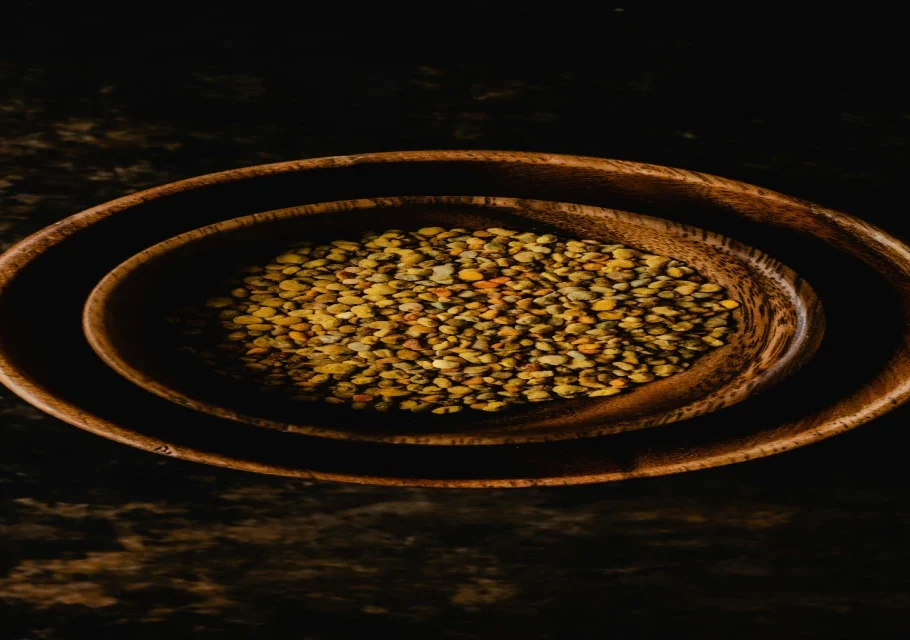
Bee pollen is a miraculous superfood that brings together the life essence of plants and the unique labor of bees. While enhancing body resistance with its rich proteins, essential amino acids, and vitamin complex, it also takes energy levels to the top through completely natural ways. Knowing the correct consumption techniques and determining the accurate amount to get maximum efficiency from this valuable biological treasure is one of the most important keys to a healthy life. Let’s explore the unique world of bee pollen, its effects on the body, and the correct methods of use with all the details.
The Pure Power of Siirt Plateaus: Cahter Organik Bee Pollen
Meet Cahter Organik Bee Pollen, obtained from the heart of nature, from the high-altitude plateaus of Siirt away from agricultural pesticides. We bring this precious nutrient, collected by bees from thousands of flowers, to your table using natural methods that preserve its nutritional values and sensitive enzymes, without applying any heat treatment. Order now to offer your body the natural support it deserves with our trusted and laboratory-tested products harboring all the healing of the rich flora!
What is Pollen and How Should It Be Consumed?
The pollen collection process, one of the greatest tasks of bees in nature, not only meets the protein needs of the colony but also creates an invaluable nutritional source of biological value for us. These dust particles, which are the male reproductive cells of flowers, take on a much more complex structure after being collected by bees and fermented with specific enzymes. Transferring this special structure into the human body without disrupting it is of vital importance in terms of maximum absorption of the amino acids and antioxidants contained in the product. Therefore, before incorporating this superfood into the nutrition routine, it is necessary to deeply understand its biochemical properties and its interaction with our digestive system.
What is bee pollen?
Bee pollen consists of granules formed by worker honeybees combining microscopic dust collected from thousands of flowers with enzymes produced from their own glands. These small grains are life capsules rich in plant-based proteins as well as lipids, carbohydrates, vitamins, and minerals. Bees store this substance at the hive entrance to use it as the primary protein source that enables the development of larvae and the healthy growth of the colony.
What to know before consumption
The most important issue to consider before starting the supplement is the body’s potential for allergic reactions to bee products. It is recommended for individuals trying it for the first time to go down the path of a gradual increase, starting the granule amount at the lowest level to observe any side effects. Furthermore, it is known that the enzymes inside the pollen lose their activity at high temperatures, so the product must never come into contact with hot foods. Unconscious approaches regarding how to consume pollen can lead to these sensitive components remaining ineffective, preventing the expected results from being achieved.
To make it easier for the digestive system to break down the hard outer shell of the pollen, it is suggested to let the product sit inside a liquid for a certain period. If this preliminary preparation is not done, the efficiency obtained from the pollen will fall below the target since it will become harder for stomach enzymes to completely dissolve the granules. A small amount consumed with the right technique offers a much more effective bioavailability than large amounts swallowed at random.
How is Pollen Consumed?
The consumption style of pollen, one of the purest states of bee products, plays a directly decisive role in the bioavailability of the thousands of micronized nutritional elements it contains. The durable layer called “exine,” located on the outer part of these granules, can exhibit resistance against stomach acids and make the absorption of internal proteins and vitamins difficult. Therefore, the question of “how to consume pollen?” is not just a preference of taste, but also a technical issue regarding how to dissolve this resistant structure. When the correct methods are used, the amino acids and minerals inside the pollen are processed much faster by the body and integrated into the circulatory system.
Direct consumption method
Direct consumption is a traditional method for those who want to feel the unique aroma and texture of pollen in its purest form. However, in this method, rather than swallowing the granules directly, it is highly critical to chew them in the mouth for a long time and increase their contact with salivary enzymes. Enzmes present in saliva help soften the hard outer shell of the pollen and initiate the pre-digestion process before it goes down to the stomach.
Adults preferring this method are recommended to consume a teaspoon of pollen in the morning on an empty stomach by chewing it slowly. Direct consumption is an ideal choice, especially for palates that love the freshness and uniquely mild bittersweet taste of pollen. If the taste feels too sharp, drinking a sip of water at room temperature afterwards can soothe the throat and support absorption.
Consumption with yogurt, milk, and smoothies
The fluid structure and lactic acid contained in milk and yogurt soften the outer wall of pollen granules within a few hours, making digestion much easier. Especially a small amount of pollen added to smoothie bowls prepared for breakfasts transforms the drink into a superfood rich in antioxidants and proteins. Allowing the pollen to sit for about 15-20 minutes after adding the granules to the mix ensures the vitamins within its content pass into the liquid, taking bioavailability to the highest level.
Usage with honey
The honey and pollen mixture serves as a health recipe for those who want to benefit from the complementary, synergistic effect of bee products. The natural protective structure and high sugar content of honey allow the amino acids inside the pollen to stay fresh for longer and break down faster in the digestive system. This duo is widely preferred to offer fast energy and immune support, particularly during periods when body resistance drops.
Adding a certain amount of pollen into a jar of raw honey allows the granules to dissolve inside the honey when stirred regularly. Consuming a spoonful of this prepared cure every morning gives the most balanced and traditional answer to the question of how to consume pollen. The dense texture of honey cuts off the pollen’s contact with air to prevent oxidation, helping its sensitive enzymes maintain their activity.
When Should Pollen Be Consumed?
Timing in pollen consumption is a biological factor that directly affects the efficiency the body will obtain from this dense nutrient profile. Consumed at moments when cells are most open to nutrient intake, these granules accelerate metabolic processes to deliver all-day vitality. The correct timing, which is a part of the question “how to consume pollen?”, takes the bioavailability it provides to the body to the peak, especially when it is in harmony with the working rhythm of the digestive system. In this way, the protein and vitamins inside are used at the maximum level in tissue repair and energy production processes.
Effects of morning consumption
Pollen consumed on an empty stomach in the morning allows the digestive system, which has been empty since the night, to use its nutrient absorption capacity in the most efficient way. These nutrients taken while the stomach is empty enable the amino acids and B-group vitamins within to blend directly into the blood, virtually igniting the metabolism. While this helps you start the day more energetically, it also visibly boosts your mental focus ability. Consuming pollen at the initial phase of digestion also sets the ground for better processing of other foods to be consumed throughout the day.
Usage before and after sports
For individuals involved in physical activity, pollen acts both as a performance-enhancing and muscle-repairing natural supplement. When consumed approximately 30 to 60 minutes before a workout, it offers a sustainable source of energy thanks to the carbohydrates and minerals within its content. This ensures muscles experience fatigue much later, while also making the adaptation of the cardiovascular system to exercise easier.
In post-exercise use, pollen rapidly provides the essential amino acids necessary for repairing micro-tears in muscle tissues. Bee pollen consumption in athletes is mostly preferred to support post-workout recovery by being added to protein shakes or yogurt. In this way, post-training fatigue decreases and muscle development is supported.
Correct timing during the day
To cope with sudden energy drops felt later in the day, especially after lunch, pollen is a wonderful mid-day snack support. A small amount of pollen consumed during these hours keeps blood sugar in balance, preventing mental fatigue and increasing productivity. However, consuming it late in the evening might make the transition to sleep difficult for some individuals due to its high energy-giving feature.
When a correct planning is made, the answer to the question “how to consume pollen?” can be flexed according to personal lifestyle, but it is generally recommended to be consumed before evening hours. Opting for daytime hours when the body is active instead of night hours when the metabolism slows down makes it easier to convert nutrients into fuel. Thus, the body can focus on its self-renewal processes during the night instead of dealing with digestion.
Leave a Mark on Nature with Every Purchase
Every purchase you make from Cahter Organik is not just an investment for your health, but also an expression of deep respect felt toward nature. Along with our pollens produced with our “Respect for Nature, Legacy for the Future” vision, we continue to green nature together with the French marigold seed gift we send with every order. Order now to explore our award-winning bee products reaching your table through sustainable beekeeping principles and to leave a meaningful mark on the future!
How Much Pollen Should Be Consumed?
Determining the amount in pollen consumption is at least as critical as the way it is consumed in terms of balancing the effects of this dense nutrient storage on the body. Since the concentration of vitamins and minerals inside its content is quite high, excessive consumption done unconsciously can create an unnecessary burden on the metabolism. Adjusting the dosage in a controlled and gradual manner for the body to adapt to this biological richness ensures that the expected benefits stay sustainable. Since the metabolic rate and general health status of each individual differ, considering personal tolerance levels when determining the amount is a fundamental safety rule.
Recommended daily amount
The ideal daily pollen consumption for an adult individual is accepted as one teaspoon (approximately 10-15 grams) for general health support purposes. However, instead of starting directly with this amount, it is recommended to start with only a few granules for the first few days to understand whether the body shows an allergic reaction. If no sensitivity is observed, the amount should be gradually increased to a half teaspoon and then to a full teaspoon. The response the body gives to this gradual transition helps the enzymes inside the pollen be better tolerated by the digestive system.
For athletes doing intense physical activity or those working in a heavy corporate pace, this amount can be raised up to two teaspoons a day depending on the body’s energy needs. However, overindulging in daily consumption should not exceed the recommended limits as it can fatigue the kidneys and liver due to the high protein and amino acid structure of pollen. A tablespoon of pollen is well-suited for this sensitivity regarding amount, since it offers a micro-nutrient density equivalent to approximately a few kilograms of fresh vegetables and fruits. Consuming pollen in cycles, for example using it for three months and taking a break for one month, contributes to the body maintaining its sensitivity against these nutrients and the continuity of its effect.
Dosage for children and adults
Although using pollen in children is a wonderful method to support development processes, it is a must to adjust the dosage much more sensitively compared to adults. Its use is strictly unsuitable for infants under one year old due to the risk of botulism and the fact that the digestive system is not yet capable of processing such a complex structure. In children between 2 and 6 years old, the daily amount should not exceed half a teaspoon; this amount is sufficient to provide the vitamin support required for their small bodies. In children older than 6 years, the dosage can be raised to a teaspoon, thereby meeting their mental and physical needs during the school period in a balanced manner.
In adults, the dosage can be flexed between one and two teaspoons depending on the weight of the individual and the energy spent daily. Since metabolism slows down in elderly individuals, keeping the dosage stable at one teaspoon will be a more reasonable approach in terms of digestive comfort. Pregnant or breastfeeding adults must definitely consult an expert before determining the pollen dosage due to hormonal changes.
What Should Be Considered When Consuming Pollen?
Although bee pollen offers unique support to the body thanks to the thousands of types of bioactive compounds in its content, complying with specific safety protocols during the consumption of such a potent substance carries vital importance. Without falling into the misconception that natural products are completely harmless, it is necessary to meticulously evaluate the possible effects of pollen’s biological activity on body systems. Every detail, from the storage conditions that preserve the shelf life of the product to the temperature of the liquids used during consumption, directly determines both the safety and effectiveness of pollen. Adhering to these rules for a healthy development or supplementation process is the key to benefiting from this precious gift of nature without experiencing any adversity.
Risk of allergic reaction
Bee pollen is recognized as one of the strongest potential allergens by its nature and can lead to cross-reactions, especially in individuals with pollen allergies. It is a critical necessity for people with a sensitivity toward flower dust, bee products, or bee stings to undergo a medical test or get an expert opinion before starting pollen consumption. Even if you do not have an allergic history, foreign proteins in the content of pollen can activate the body’s defense mechanisms in an unexpected way. This situation can trigger health issues extending across a wide spectrum from a simple itch to shortness of breath.
Reactions usually manifest shortly after consumption as skin redness, nausea, or a swelling sensation in the throat. In more severe cases, serious complications such as a drop in blood pressure or narrowing of the respiratory tracts can be observed. Therefore, it is necessary to carefully listen to every signal the body gives during the initial days of pollen consumption and stop use immediately when any abnormality is sensed. The allergy risk is not only related to genetic predisposition, but can sometimes be directly related to the immune status of the body during that period.
Things to consider during initial use
To observe the risk of allergic reaction, only a single grain of pollen should be placed under the tongue during initial use, and the body’s response to this small dose should be monitored for a few minutes. If burning, itching, a feeling of swelling inside the mouth, or general discomfort does not occur, the amount can be continued with a very small increase the next day, for example, about a quarter of a teaspoon. This gradual start helps the immune system recognize this new and dense protein source and adapt to the digestive process in a more controlled manner.
Ensuring the freshness of the pollen and the reliability of its source during the initial usage phase reduces a possible risk of contamination. Pollens that have become damp, faded in color, or emit a sour odor can fatigue the digestive system due to the bacteria or mold spores they contain. It should not be forgotten that pollen must never be mixed with very hot food or drinks during this process; because heat can render the healing enzymes of pollen ineffective within seconds.
How to Identify Quality and Natural Pollen?
Real and quality pollen should possess a color festival reflecting the plant diversity collected by bees and a uniquely characteristic scent. The nutritional value of products that have gone through industrial processes, been over-dried, or have a uniform appearance is generally low. Therefore, when choosing pollen, you need to be aware that you are buying a substance whose biological activity continues and is alive, not just a nutritional supplement.
Color, scent, and structural features
The most prominent feature of quality bee pollen is the non-homogeneous, multi-colored structure of the granules. When looking at the jar, you should see a blend of granules in different colors from bright yellow to dark orange, purple to black, and even green tones. This color diversity proves that nectar and pollen were collected from very different flowers, confirming it is “polyfloral” and offering a richer vitamin profile. If all granules possess a single color tone, this situation might indicate that the pollen comes from only a single plant species or might have been dyed.
Its scent should have a slightly sour but refreshing aroma reminiscent of a fresh field of flowers. Products that smell like medicine or emit a moldy odor show that storage conditions are inadequate and the beneficial components inside have spoiled. Structurally, the granules should crumble when you press lightly with your finger, but should not turn completely into dust either. Pollens that are excessively hard might have been dried at very high temperatures, a process that destroys the sensitive enzymes inside.
Selecting a reliable product
Since pollen is a product highly open to the outer environment, the cleanliness of the region where it is collected and its distance from agricultural pesticides (pestisides) carry vital importance. When choosing a reliable product, the producer must be able to present analysis reports and transparently declare from which region the product was collected. Since the risk of chemical residue can be high in pollens collected from areas close to agricultural fields, sources producing high-altitude plateau or forest honeys should be preferred. Analyzed products ensure you put your health under protection against heavy metal and pesticide risks.
Additionally, the moisture rate of the pollen and the drying method should be among the selection criteria. While pollens left too damp can quickly produce mold, those dried with traditional methods and at low temperatures preserve their nutritional value in the best way. Products presented in dark-colored glass bottles that have been stored via a cold chain and not exposed to sunlight are always more reliable. Avoiding products sold out in the open, lacking labels, and whose source is unclear will be the most accurate decision for your long-term health supplementation process.
Real Healing, Pure Content: Discover Naturalness with Cahter Organik
To feel the miraculous effects of bee pollen on the body with the highest efficiency, you must prefer products whose purity and production process you are sure of. As Cahter Organik, we meticulously prepare our premium pollens, which contain no additives or preservatives, taking their color and scent from the plant diversity of the region. You can safely order from our website to take a strong step toward a healthy lifestyle routine.
Frequently Asked Questions
Should pollen be consumed on an empty or full stomach?
Consuming pollen on an empty stomach in the morning is the most effective method for maximum absorption and fast impact. The amino acids and vitamins inside granules consumed while the stomach is empty blend directly into the blood without competing with the digestion process of other foods. However, individuals with stomach sensitivity can also consume this potent nutrient shortly after breakfast by mixing it with yogurt or fruit juice.
Can pollen be consumed every day?
Yes, pollen can be consumed regularly every day to provide continuous support to the body; however, it is advised to take breaks at certain periods so that the body does not develop tolerance against this dense nutrient storage and rests.
Can pollen be added to hot tea or milk?
Pollen must never be added to liquids that are boiling or very hot. Any heat above 45-50 degrees Celsius irreversibly destroys the live enzymes and protein structures inside the pollen. To get full efficiency from pollen, consuming it with room-temperature water, freshly squeezed fruit juices, yogurt, or lukewarm milk is the most accurate approach.
Should pollen be stored in the refrigerator?
Since pollen is an organic substance highly sensitive to heat and moisture, it must definitely be kept in a cool and dark environment. For long-term preservation, the shelf of the refrigerator or ideally the freezer section should be preferred. Pollens kept at room temperature can rapidly lose their nutritional values by oxidizing and may begin to turn bitter.
From what age can pollen be used?
Bee pollen must absolutely never be given to infants under one year old due to the risk of botulism and its high allergen structure, just like honey. Before starting use in children, usually two years of age and older should be anticipated for the digestive system to mature. In any case, since the development process and allergy history of children differ, a pediatrician must definitely be consulted before starting use.