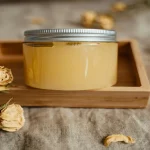
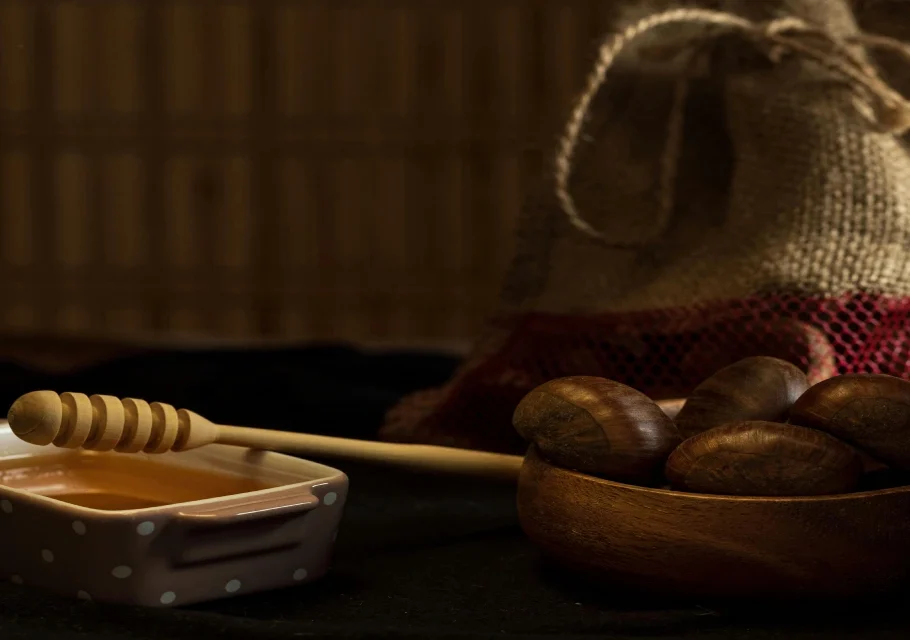
Sourced from the depths of nature and known for its unique dark color and intense aroma, chestnut honey is considered one of mankind’s oldest sources of healing. Unlike traditional flower honeys, this special honey features a more bitter taste profile and a rich mineral structure, drawing attention with its unique health advantages. When harvested using the right methods, it becomes a complete antioxidant powerhouse, boosting body resistance and playing an effective role in fighting the exhaustion brought on by modern life.
Meet Nature in Its Purest Form
As Cahter Organik, we bring the healing remedy from the high plateaus of Siirt straight to your table in its most natural state, without applying any heat treatment. Discover our laboratory-tested, organic-certified, and award-winning products now with our secure payment infrastructure. You can browse our products for a truly authentic and pure flavor experience.
What is Chestnut Honey and Why is It So Special?
Produced by worker bees collecting nectar from chestnut trees during their brief blossoming period, chestnut honey is a special monofloral type, meaning it relies on a single plant source. Its darker brown color, dense consistency, and slightly bitter taste compared to other honeys stem from its high mineral content and tannin structure. Thanks to its exceptionally long crystallization period and natural antiseptic properties, this type of honey holds an indispensable place in both culinary arts and natural health applications.
How it differs from other honeys
While classic flower honeys usually offer a sweet and soft aroma, this particular honey variety delivers a characteristic flavor that leaves a slightly sharp, bittersweet note on the palate. Its color tone—ranging from deep amber to a dark brown close to black—indicates the dense concentration of minerals such as iron and copper. Because the nectar bees harvest from chestnut trees contains a higher ratio of fructose compared to other plants, this honey maintains its fluid consistency for a very long time.
Commonly referred to among locals as “bitter honey,” one of its most prominent distinctions is its low pH value. This acidic structure acts as a natural shield by making it difficult for bacteria to reproduce, thereby extending the honey’s shelf life naturally. Furthermore, it is incredibly rich in pollen content, which makes it a biologically more active food source.
Content and nutritional value
Scientific analyses clearly demonstrate that this honey contains high amounts of potassium, magnesium, manganese, and iron. In terms of vitamins, B and C group vitamins, along with various amino acids, form the building blocks of this natural food source. The benefits of chestnut honey stem precisely from this rich microbiological and chemical composition, passing its goodness directly into the body.
The phenolic compounds and flavonoids within its structure grant the product a potent antioxidant capacity, providing cellular-level protection against free radicals. Since its sugar structure shows a balanced distribution, there is an optimal harmony between its speed of delivering energy and its capacity to regulate blood sugar. This nourishing profile elevates it from a mere sweetener to a functional dietary supplement.
What Are the Benefits of Chestnut Honey?
Frequently researched by nutritionists and biologists alike, this natural miracle holds the most comprehensive answers to the question: “What is chestnut honey good for?” Supporting the body’s defense mechanisms from head to toe, this honey builds a natural source of resistance against many health issues, particularly through its anti-inflammatory and anti-microbial properties. Its unique enzymes help the metabolism work more efficiently while potentially triggering cell regeneration indirectly.
Effects on the immune system
Serving as the body’s greatest supporter during winter months or seasonal transitions, chestnut honey enhances the activity of immune cells, providing protection against infections. It creates a soothing effect on the throat, especially during upper respiratory tract infections, and helps calm the cough reflex naturally. With regular consumption, the body’s antibody production capacity is fully supported through the benefits of chestnut honey.
Its high antioxidant levels stand out as one of the key factors strengthening the immune system. While fighting harmful microorganisms, it simultaneously suppresses inflammatory processes in the body, ensuring the system experiences less fatigue. Consequently, general health status is stabilized, and post-illness recovery periods can shorten noticeably.
Effects on energy and fatigue
For bodies worn out by the intense pace of daily life, chestnut honey offers a fast and sustainable source of energy. Its natural sugars blend into the bloodstream to provide the muscles and brain with the fuel they need, thereby boosting mental focus as well. It revitalizes individuals suffering from chronic fatigue syndrome by restoring vitality.
When consumed before physical activity, it contributes to performance enhancement; after activity, it replenishes glycogen stores to aid muscle recovery. Taking a spoonful in the morning to eliminate early drowsiness opens the door to all-day vitality. Moreover, its support in regulating blood circulation so that more oxygen reaches the organs is a factor that directly impacts overall quality of life.
Digestive and general health contributions
Exerting a regulatory effect on the digestive system, this honey helps balance stomach acid and alleviate complaints such as gastritis. By supporting the development of beneficial bacteria in the gut flora, it ensures a more comfortable digestive process. In this area, the benefits of chestnut honey manifest clearly in reducing issues like bloating and indigestion.
Supporting the liver’s detox function and facilitating the removal of toxins from the body is one of the greatest investments made toward overall health. Possessing positive effects on skin health as well, this nutrient can accelerate wound healing and prevent acne formation when applied topically. Thanks to its potassium content that supports cardiovascular health, it also provides an indirect contribution to balancing blood pressure.
How Should Chestnut Honey Be Consumed?
This honey should never undergo heat treatment or be mixed into boiling hot liquids; instead, when consumed directly from the spoon, it preserves its enzymes and enters the bloodstream much faster. Although its sharp taste might make it difficult for some to consume raw, mixing it with room-temperature warm water is also an effective method.
Daily consumption amount
Even though its healing properties are endless, it is of great importance not to overindulge and to maintain a controlled intake of chestnut honey. For an adult individual, the ideal daily amount should be limited to between one and two teaspoons. This amount is a more than sufficient dose to receive the minerals and antioxidants the body requires.
Keeping the body’s adaptation process in mind, it is recommended to start with small amounts initially and gradually increase to the advised dose over time. Excessive consumption can burden the stomach or lead to sudden energy spikes due to its high fructose content and dense mineral structure. Maintaining balance is the key to safely benefiting from the honey’s long-term advantages.
The best time for consumption
To get the highest benefit from nutrients, we must act in harmony with our biological clock; therefore, the most effective time of day to take this honey is on an empty stomach in the morning. Consumed during these hours when the stomach is empty, chestnut honey allows its components to be directly absorbed, waking up bodily systems. On the other hand, a small amount of honey consumed before going to bed at night can soothe the throat and help you get a more peaceful sleep.
Consuming a small amount during the afternoon hours when a drop in energy is felt can also be quite revitalizing. It is not recommended to consume it immediately after meals, as it can mix with other foods and slow down the digestive process. The most efficient method is to schedule it either at least one hour before meals or two hours after meals.
Respect for Nature, A Legacy for the Future
With every purchase you make from Cahter Organik, you don’t just support your health—we also green nature together with the flower seed gift we send alongside your package. Start shopping now to examine our pure products produced with sustainable beekeeping principles and leave a meaningful mark on nature!
Who is Chestnut Honey Suitable For?
Suitable for individuals of almost any age group seeking natural support, this honey is the primary choice for those looking for answers to “What is chestnut honey good for?”. From athletes to the elderly, from those working under heavy stress to patients in convalescence, a wide audience can benefit from this special product. However, the potent nature of the honey necessitates careful evaluation for individuals with specific health conditions or age restrictions.
Children and adults
Serving as both a protective shield and a natural energy source for adults, this product makes the body resilient against the stress of modern life. In old age, the benefits of chestnut honey come to the forefront in preserving bone health and supporting memory. With its feature of relieving muscle fatigue, it is an ideal food supplement for adults engaged in physical labor.
For school-aged children, it can be chosen to support mental development and provide energy against a demanding school routine. However, care should taken to ensure the amount given to children is half the adult dose, and the child should be monitored for any allergic reactions to the taste of the honey. It is recognized as one of the most reliable sources to naturally fortify the immunity of growing individuals.
Conditions requiring caution
As with all bee products, chestnut honey must absolutely never be given to infants under one year old, as the risk of infant botulism poses a serious danger to their developing digestive systems. Individuals with diabetes must consult their doctors before consuming honey and meticulously track their blood sugar levels. It is also imperative for people with a known allergy to bee stings or pollen to be extremely cautious when consuming these types of honey.
Pregnant and breastfeeding women are advised to avoid excessive consumption during these special periods when their bodies show high sensitivity. Additionally, it should not be forgotten that this honey has the potential to lower blood pressure slightly further in those who already struggle with low blood pressure. Adults with any chronic ailments or those who take regular medication must obtain an expert opinion before adding such potent supplements to their diet for their health safety.
How to Tell Real Chestnut Honey?
Authentic chestnut honey reveals itself not only through its taste but also through its physical structure and chemical stability. Choosing the right product not only protects your palate but also guarantees that you receive the healing results you expect for your health.
Taste, color, and consistency clues
Genuine chestnut honey should have a very dense and heavy fluidity when lifted with a spoon; honeys that are very runny and water-like raise doubts about their purity. When held up to the light, its color should exhibit a very dark brown or blackish tone with reddish reflections. When you smell it, a sharp and dominant scent of chestnut blossoms should greet you; this fragrance should be felt not just on the surface but throughout the depths of the jar.
When you taste it, a brief sweetness should hit first, immediately followed by a characteristic bitterness that leaves a mild burning sensation in the throat. If the honey leaves only a sugary taste and carries no bitterness, it can be assumed that the product was not obtained from pure chestnut nectar. Additionally, it is known that this type of honey crystallizes very late; if its structure remains unchanged even after months pass, this is a good sign of its purity.
Selecting a quality product
For a quality purchasing process, the production region and certification status of the product must be examined meticulously. Honeys produced in high-altitude regions away from agricultural pesticides using traditional methods always possess superior quality. Shopping from a reliable producer or brands that transparently present their analysis reports is the shortest path to guaranteeing chestnut honey quality.
The presence of phrases like “unheated” or “raw honey” on the label information is a critical detail indicating that the honey’s natural enzymes have been preserved. Instead of clear-looking industrial honeys that have gone through processing, more natural-looking products containing slight pollen residues should be preferred. A correctly chosen jar of honey is a treasure that carries all the energy of nature to your table in its purest form.
Unheated, Enzyme-Preserved Healing
We use the cold-straining method to preserve the nutritional value of our honeys and never compromise on raw honey standards. Visit our website to reach our additive-free products prepared with our eco-friendly production principle and to support your immunity through natural means.
Frequently Asked Questions
Can it be consumed every day?
Yes, it is recommended to consume it regularly in an amount of 1-2 teaspoons per day. However, because it has a very potent content, one should not exceed these specified portion sizes.
Does it cause weight gain?
When consumed in the correct amounts, chestnut honey does not directly lead to weight gain. On the contrary, it can support metabolism when used as a natural alternative instead of desserts containing refined sugar. By increasing your daily activity levels thanks to the high energy it provides, it helps you stay in shape indirectly.
Why is chestnut honey bitter?
Its unique, sharp, and bittersweet taste stems from the dense tannin and mineral structure found in chestnut trees. A much lower sugar ratio and higher antioxidant content compared to other flower honeys create this characteristic flavor profile.
Can it be mixed into hot drinks?
Chestnut honey must absolutely never be brought into contact with liquids like boiling water or very hot tea. Temperatures above 45-50 degrees Celsius break down the structure of the beneficial enzymes and amino acids inside the honey, causing it to lose its nutritional value. For maximum efficiency, you should mix the honey with lukewarm drinks or consume it directly from the spoon.
How should it be used for stomach discomfort?
To soothe the stomach, it is generally recommended to consume it in the morning on an empty stomach, mixed into a glass of lukewarm water. This method helps the honey form a protective layer on the stomach lining and eases digestive processes.