When you observe the order inside a beehive, you notice that everything works in extraordinary harmony. From storing honey to protecting the young, every step is made possible by a special substance secreted from the bees’ own bodies. This substance plays a vital role in allowing bees to survive and the hive to function healthily. This is precisely where beeswax comes in — carrying critical importance in maintaining the balance of the ecosystem. So, what exactly is beeswax, and what properties make it so valuable?
What Is Beeswax?
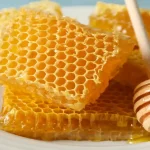
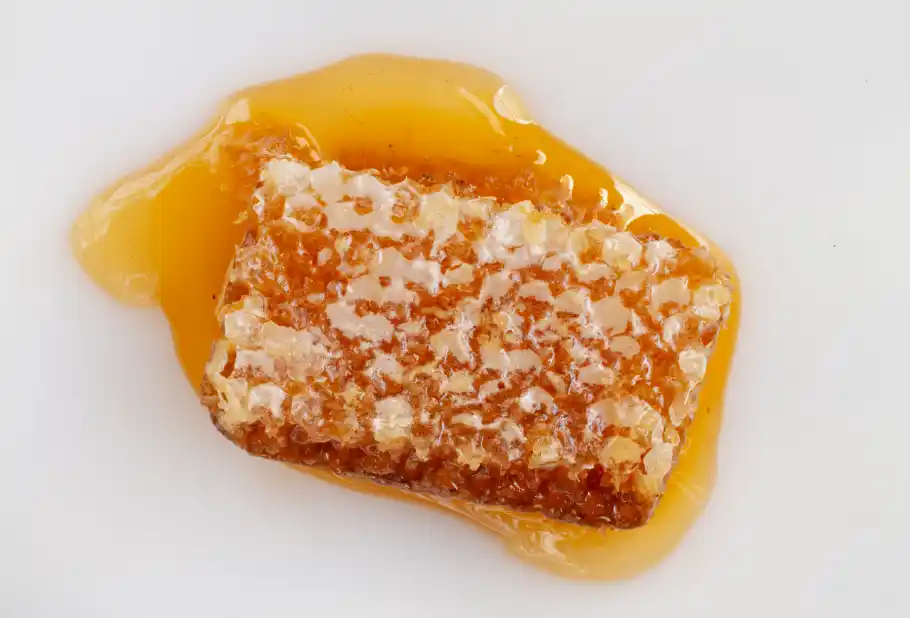
Beeswax is a completely organic secretion produced by young worker bees from special glands located on their abdominal segments. It starts out in a transparent, liquid form and rapidly hardens upon contact with air. This substance forms the architectural skeleton of the hive and serves as the primary raw material for the hexagonal cells bees use to safely store their honey and to preserve their pollen and young by protecting them from external factors.
The Natural Structure of Beeswax
Beeswax has a complex lipid (fat) composition containing over 300 different components, including long-chain fatty acid esters, hydrocarbons, and free alcohols. It is notable for its rich vitamin A content and powerful antioxidant properties. Its micro-porous structure — which is water-resistant yet allows air transfer — is one of beeswax’s unique physical characteristics. These properties have a significant effect on beeswax’s benefits for skin health, cell regeneration, and resistance to infections.
How Is It Produced by Bees?
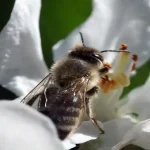
Beeswax production takes place through a specialized process in the biological cycle of young worker bees. Young worker bees between 12 and 18 days old raise the temperature inside the hive to approximately 35 degrees Celsius in order to produce this substance. They must consume approximately ten times as much honey for every single gram of beeswax flake they produce. This white, pure secretion that emerges in flake form from the glands in their abdomen is then chewed in the mouth by the bees and blended with pollen and propolis, gaining its well-known flexible structure and yellowish color.
What Are the Properties of Beeswax?
Beeswax is one of the most valuable and versatile substances nature has to offer. This substance, created through the bees’ unique production process, attracts attention not only for its natural structure but also for its physical and chemical properties. Its water-resistant yet air-permeable structure makes it indispensable in both cosmetic and medical fields. With its dense vitamin A content, antioxidant properties, and skin-friendly structure, beeswax is used as a healing source in many areas. Furthermore, its durability and flexibility against environmental factors allow beeswax to last for a long time.
Its Natural and Chemical Structure
The source of the benefits beeswax provides comes entirely from its rich and complex chemical composition. Consisting of over 300 different components, beeswax contains 70–75% high-molecular-weight fatty acid esters, and 12–15% free acids and hydrocarbons. When examining the answer to “how is beeswax made?”, it becomes clear that the amount of honey worker bees consume to produce this substance directly determines the energy content and chemical purity of the wax. Chemically “inert” — meaning it does not react with other substances — beeswax is one of the safest and least toxic ingredients for human skin and food products.
Durability and Protective Qualities
One of beeswax’s most impressive properties is its extraordinary resistance to the wearing effects of time. Its extreme resistance to oxidation makes it an indispensable natural sealant in many fields, from wood preservation to antique restoration. At the same time, its antibacterial structure — which prevents the growth of microorganisms and mold — is one of the main reasons for beeswax’s function as a “natural preservative.” This property makes beeswax usable not only in cosmetic and medical fields but also in many industrial areas.
Resistance to Water
Beeswax’s resistance to water is one of its most important functional advantages in nature, thanks to its hydrophobic (water-repelling) property. This property plays a critical role for bees in maintaining the moisture balance inside the hive and protecting the honey from outside humidity. Today, modern applications such as “beeswax storage wraps” or water-resistant skincare products are based precisely on these physical characteristics. While beeswax completely blocks the passage of water, its porous structure also allows for limited air circulation. This property makes it a uniquely effective insulating material in both biological and industrial terms.
What Is Beeswax Used For?
Beeswax is vitally important for bees, performing core functions such as sterilizing the hive, isolating honey from external factors, and maintaining moisture balance. When it comes to human use, it offers similar protective properties. It serves as a biological partner across a wide spectrum — from extending the shelf life of foods and maintaining leather products, to improving air quality and repairing the skin barrier. Beeswax has proven itself to be a safe and effective material both in nature and in daily life.
Protective and Coating Properties
The hydrophobic (water-repelling) structure of beeswax has made it one of the world’s most reliable natural insulating materials throughout history. Its water-resistant yet micro-level air-permeable texture forms the basis of beeswax’s unique coating properties. Among the first areas that come to mind when answering “where is beeswax used?” are food storage wraps, wood preservatives, and leather care products. Beeswax wraps, which offer a sustainable alternative to plastic cling films, allow food to breathe while preventing sweating and spoilage. In the furniture sector, it also acts as a natural polish that penetrates deep into wood, preventing cracking.
Use in Natural Products
For individuals who avoid synthetic ingredients and pay attention to their holistic health, the benefits of beeswax are endless. Particularly in the cosmetics sector, it serves as the main carrier in lip balms, hand creams, and solid perfumes. When applied to the skin, it locks in moisture without clogging pores, thereby protecting skin health. Additionally, unlike candles containing paraffin, natural beeswax candles release negative ions into the environment when burned, giving them the ability to cleanse the air of dust and pollen.
What Are the Benefits of Beeswax?
With a wide range of applications spanning skin health to food storage, natural candles to environmental insulation, beeswax is an excellent alternative for those seeking natural and sustainable solutions. Because it contains natural components and no harmful chemicals, it has become an indispensable material for many industries.
Effects on the Skin
Beeswax is one of the rare natural substances that is dermatologically non-comedogenic — meaning it does not clog pores. Thanks to this property, beeswax plays an important role in skin care, forming a protective layer on the skin without blocking it from breathing. The dense vitamin A in its content supports cell regeneration, helping to heal cracks and allowing the skin to gain elasticity. It also creates a soothing effect on irritated areas and wraps the skin like armor against environmental factors such as wind, cold weather, and pollution. The reason beeswax is so heavily preferred in lip balms and hand creams is that it offers a deeply restorative effect beyond simply softening the surface of the skin.
Natural Moisturizing Property
Locking in moisture is one of the cornerstones of anti-aging care and a healthy appearance. Among the outstanding benefits of beeswax, its “humectant” (moisture-attracting) property draws moisture from the air and binds it to the skin, preventing the skin from losing its own moisture.
By melting and mixing beeswax with carrier oils such as olive oil, St. John’s wort oil, or coconut oil using the bain-marie method, it is possible to obtain the world’s purest and most effective moisturizer. The resulting mixture reduces the skin’s water loss (transepidermal water loss), keeping it soft and hydrated throughout the day.
Antibacterial Structure
Beeswax, which bees use to protect their hives from the outside world’s germs, has innately powerful antibacterial and antifungal properties. Thanks to this hygienic structure, the most important areas mentioned in answers to “where is beeswax used?” include wound-healing ointments, eczema creams, and surgical dressing materials.
This structure, which does not allow microorganisms to reproduce, helps small cuts and burns heal without becoming inflamed. The intense effort bees expend while synthesizing this substance, and the biological discipline in beeswax production, are also among the main factors determining the product’s purity and resistance to germs. This natural disinfectant effect manifests not only in skin care but also in natural candles that clean the air when burned and in storage wraps that keep food fresh.
Where Is Beeswax Used?
One of the strongest natural alternatives to synthetically formulated products, beeswax finds a place in a wide area from industry to home use, thanks to its versatile physical structure. As one of the oldest raw materials in human history, it continues to maintain its popularity with modern solutions today. Its water-repelling property, antibacterial texture, and the cleansing negative ions it spreads into the environment when burned make beeswax an indispensable material in both industrial production and boutique workshop crafts.
Cosmetics and Skin Care
In the cosmetics world, beeswax offers unique value with its ability to protect the skin against external factors and lock in moisture. As the main component of lip balms, hand creams, body lotions, and solid perfumes, beeswax provides texture to products while simultaneously forming a protective layer that does not block the skin’s natural breathing process. In formulas prepared especially for sensitive skin, among the benefits of beeswax, its ability to prevent irritation and increase skin elasticity holds an important place. Acting as a natural emulsifier, it helps oil-based and water-based ingredients bond together and helps the skin gain a silky softness.
Candle and Lighting Products
In the lighting sector, when “how is beeswax used?” is asked, the first product that comes to mind is completely natural candles that contain no paraffin. Unlike traditional candles derived from petroleum, candles made from pure beeswax do not produce soot when burned and do not release toxic gases into the air. Instead, they emit a mild honey scent and improve indoor air quality by cleaning dust, pollen, and allergens from the air. Additionally, due to their high melting point, beeswax candles have a much longer burning capacity compared to other types of candles. Those who want to design their own decorative and healthy lighting products at home can melt these hard slabs using the bain-marie method and obtain natural candles in whatever form they desire.
Food and Packaging Use
Beeswax storage wraps — an indispensable part of sustainable kitchens — are the most eco-friendly solution developed against single-use plastic cling films. These wraps, made by coating cotton fabrics with a mixture of beeswax, pine resin, and coconut oil, allow food to breathe, delaying the spoiling and molding process. These natural covers, which keep foods such as cheese, vegetables, fruits, and bread fresh for a long time, can be washed and reused repeatedly.
Wood and Leather Care
The waterproof and nourishing character of beeswax makes it one of the oldest preservatives for wooden furniture and leather products. Beeswax polishes used in the restoration of antique furniture and the maintenance of wooden kitchen utensils (cutting boards, spoons, etc.) prevent wood from drying out and cracking while giving it a deep shine. For leather shoes, bags, and jackets, the prominent benefit of beeswax is that it softens the leather and creates a water-resistant surface.
How Is Beeswax Used?
As a versatile and natural material, beeswax is suitable for use in many different areas. It can be used in various ways to provide benefits both in industrial settings and in daily life. Finding a place in many fields from food storage wraps to leather care, from wood polish to natural candles, beeswax meets different needs with its method of application and content. So, let’s take a look at the uses of beeswax to learn how to use this natural substance correctly and discover how to get the most out of all its benefits.
Home Use Methods
The question “what is beeswax good for?” encompasses many different areas of use, from sustainable living practices to personal care. One of the most common methods of use is making “beeswax storage wraps” by coating cotton fabrics with melted beeswax. This method reduces plastic waste while also extending the life of food.
For cosmetics enthusiasts, beeswax presents itself as the main carrier in homemade lip balms and ointments. By melting equal amounts of beeswax and coconut oil and adding a few drops of lavender oil, you can obtain a completely natural hand cream.
Making natural candles from beeswax is also an excellent method for improving air quality at home. Candles prepared by dipping a pure cotton wick into melted beeswax, when burned, spread a mild honey scent into the environment instead of chemical smoke, providing a refreshing effect.
Correct Storage Conditions
The most important factors to pay attention to in order to preserve the 300-plus active compounds and vitamins in beeswax’s content are heat and light. Beeswax in slab or block form should be stored in a cool, dry place away from direct sunlight. High temperatures cause beeswax to soften and lose its form, while excessive humidity can also trigger mold growth on its surface. If it is not going to be used for a long time, it is recommended to wrap the beeswax in paper or store it in sealed glass jars to minimize contact with air.
Comparison of Beeswax with Other Natural Products
As one of nature’s purest and least processed ingredients, beeswax is clearly ahead of its synthetic counterparts in both industrial and home use. When compared with other natural products, the benefits of beeswax make a difference not only in terms of sustainability but also in terms of its positive effects on human health. This substance, produced through the collective effort of bees, is — unlike chemical-based alternatives — completely biodegradable in nature and has a structure that is biologically compatible with human tissue.
Differences from Paraffin
The most distinct difference between beeswax and paraffin lies in their origin. Beeswax is a completely natural product secreted from bees’ bodies, while paraffin is a petrochemical product generally obtained from petroleum derivatives. This fundamental difference sets the two substances apart both in terms of use and environmental impact.
While beeswax is a completely biodegradable, biologically compatible substance, paraffin can have negative effects on the environment because it takes much longer to decompose in nature. Additionally, while beeswax carries natural moisturizing and antibacterial properties, paraffin does not offer these kinds of benefits.
Paraffin candles have a lower melting point than beeswax candles and are generally preferred for short-term use, while beeswax candles have a longer burning capacity and do not release harmful gases into the air when burned.
Comparison with Vegetable Waxes
When compared with vegetable alternatives such as soy or palm wax, beeswax’s physical durability and melting point provide a significant advantage. Vegetable waxes generally have a softer structure and can lose their form even at room temperature. The melting point of beeswax, at around 62–65°C, gives it durability and allows it to burn for a longer time. While soy waxes are produced through industrial agriculture and intensive hydrogenation processes, beeswax is obtained through a natural and pure biological process.
Factors Affecting Beeswax Prices
The most fundamental factor in determining beeswax prices is the enormous energy expended by bees to synthesize this substance. In order to obtain one kilogram of beeswax, bees need to consume approximately 8 to 10 kilograms of honey and the temperature inside the hive must be maintained at a certain level. This intensive energy and labor process directly affects the production cost of beeswax, which is reflected in its pricing.
Naturalness and Purity Rate
The most important factor determining a product’s price is the degree of purity in its content. A truly pure beeswax should contain no synthetic paraffin or animal fat additives. Some products that appear more affordable on the market may contain paraffin mixtures, but this causes the antibacterial and restorative effects of beeswax to be lost. Certified through chemical analysis, residue-free, and 100% pure beeswax contents are priced higher on the market because they offer the highest performance in both health and industrial use.
Production Method
Although the beeswax production process that bees carry out while building the hive is a completely biological marvel, the process of taking this substance from the hive and delivering it to the end user directly affects the price. “Raw” beeswaxes filtered using traditional methods — without exposure to high heat and without the use of chemical bleaching agents — become more valuable by retaining their vitamins and pollen extracts. Products whose color is lightened or whose scent is removed through industrial processes may lose their natural qualities as they are processed. For this reason, the cost of minimally processed products that reveal their naturalness through their color and scent is higher due to the care and labor hours involved in their production.
Source and Quality
The flora and air quality of the region where beeswax is produced are among the most important factors determining the quality of the final product. Beeswax obtained from high-altitude plateaus far from industrial zones where no agricultural pesticides are used is of higher quality and occupies a niche segment because it carries the characteristic of being “free of pesticide residues.” Such products also provide health advantages with their natural and pure structure.
What to Consider When Buying Beeswax?
When buying beeswax, there are several important factors to pay attention to in order to determine the quality and naturalness of the product. Beeswax provides the greatest benefit by preserving its naturalness. For this reason, making the right product choice is extremely important both for health and environmental reasons.
Purity and Additive Control
One of the most important elements when buying beeswax is the purity rate in its content. Real beeswax should contain no synthetic substances or additives. Paraffin-mixed and low-quality beeswaxes can often be found on the market. Such products lose their natural and antibacterial properties. Pure beeswax is a product that is free of chemical contents, biologically compatible, and biodegradable in nature. To check the purity of the beeswax you purchase, you should carefully read the product’s label and make sure you are obtaining it from a reliable source.
Color and Scent Analysis
The color and scent of beeswax are other important factors that determine its naturalness. Pure beeswax comes in natural yellow tones and emits a mild honey scent. If the color of the beeswax is very light or very dark, this indicates that it may have been processed or subjected to chemical treatments. Additionally, synthetic products are generally seen to carry a more artificial scent rather than a beeswax scent. Natural beeswax reveals its naturalness through both its color and its scent, and these characteristics are among the indicators of beeswax quality.
Choose Natural with Cahter Organik!
At Cahter Organic, we bring nature’s purest products to your table. With our completely natural and additive-free products, you can support your health and embrace an organic lifestyle. Discover our products today and embark on a journey toward a healthy and natural life with us!