Honeycomb honey and strained honey are natural foods preferred by health enthusiasts for their different processing methods and health benefits. Both are obtained from honey produced by bees through different processing techniques, and each has its own unique characteristics. So, which one is healthier? In this article, we will compare honeycomb honey and strained honey, examine the benefits of both types in detail, and help you determine the best option for you.
What Are Honeycomb Honey and Strained Honey?
Honey is one of the most valuable gifts of nature, and each variety obtained through different processing methods offers its own unique benefits. Two common types of honey — honeycomb honey and strained honey — are similar in content but show important differences in terms of processing methods and health benefits. Honeycomb honey is a type of honey that is consumed together with the honeycombs naturally produced by bees. Strained honey, on the other hand, is obtained by separating the honey from the combs and then filtering and packaging it. Although both types of honey are natural, their processing methods make them different, and their effects on health are also influenced by these differences.
Structure and Characteristics of Honeycomb Honey
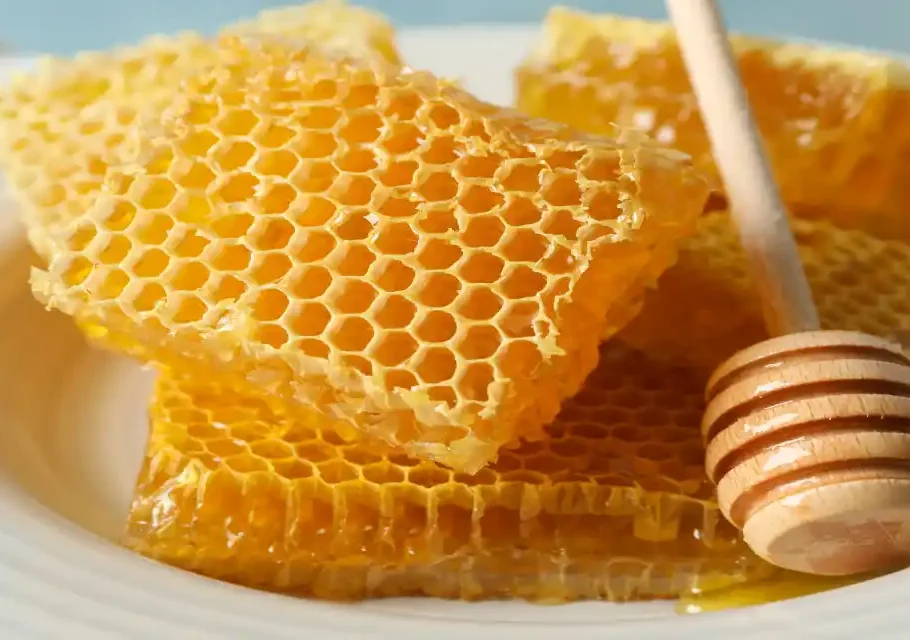
Honeycomb honey is natural honey found inside the hexagonal-shaped combs that bees build inside the hive to store honey. This honey is completely unprocessed and consumed in its natural state. Since honeycomb honey is consumed together with both the honey and the comb cells, it contains all the natural components produced by bees — honey, pollen, propolis, and beeswax. For this reason, honeycomb honey is extremely rich in nutritional value. This type of honey, which has natural antibacterial properties, supports the digestive system, strengthens the immune system, and protects the body from harmful microbes. Additionally, the beeswax in its content helps the digestive system function properly and provides energy to the body.
How Is Strained Honey Obtained?
Strained honey is a type of honey obtained by mechanically filtering the honey extracted from the combs and separating it from the bee combs. This process ensures the removal of foreign substances and comb fragments from the honey. Strained honey is smoother and more liquid in form compared to honeycomb honey, because no additional components are added after separation from the combs. This type of honey can be consumed directly or used in various desserts, beverages, and meals. Although strained honey is not as rich as honeycomb honey, it contains a high proportion of the honey’s natural sugars and nutrients, thus offering many health benefits.
Key Differences Between Honeycomb Honey and Strained Honey
Although both honeycomb honey and strained honey are natural and healthy sweeteners, they show significant differences in terms of production processes, contents, and effects on health. These differences also affect the benefits that each type of honey offers to consumers. Understanding the key differences between honeycomb honey and strained honey can help you make healthier choices.
Production and Processing
Honeycomb honey is a type of honey consumed directly as produced by bees, together with the comb cells containing the honey. Bees store this honey in their hives, preserving their food sources inside the combs. For this reason, honeycomb honey is minimally processed and obtained directly from nature. No filtration or heating process is applied, so all natural components are preserved.
Strained honey, on the other hand, is obtained by filtering and cleaning the honey extracted from the combs. During this process, foreign substances, comb fragments, and pollens in the honey are separated. Strained honey is generally in liquid form and is a processed product. Therefore, it has a more refined and homogeneous structure compared to honeycomb honey.
Naturalness and Purity Comparison
Honeycomb honey, in its unprocessed form, contains all the natural components produced by bees. This ensures that honeycomb honey preserves its naturalness and purity. Components such as pollen, propolis, beeswax, and honey essence make it a highly nutritious and natural product. Furthermore, since honeycomb honey comes directly from nature, it is completely free from chemical additives.
Strained honey, however, may lose some of its natural components due to the filtration and straining processes during production. This process causes the separation of beeswax and other natural components. For this reason, it may not be as pure and natural as honeycomb honey, but it is still a product free from additives and with high nutritional value.
Nutritional Value Differences
Since honeycomb honey is unprocessed, it contains all its natural components and is very rich in nutritional value. Thanks to the pollens, vitamins, minerals, and antioxidants in its content, it supports the immune system, improves skin health, and increases overall energy levels. The beeswax inside also soothes the digestive system and has natural antibacterial properties.
Strained honey may lose some pollen and vitamins due to the straining process, but it still contains a high proportion of natural sugars, antioxidants, and minerals. Although its nutritional value is slightly lower compared to honeycomb honey, it can still be used as a healthy sweetener. Additionally, its liquid form makes it easier to consume and offers more practical use in the kitchen.
Which Is More Beneficial for Health?
Both honeycomb honey and strained honey are natural sweeteners that offer important health benefits. However, each type of honey stands out with different nutritional components and health effects. The question of which is healthier may vary depending on your personal needs and intended use.
Vitamin and Mineral Content
Honeycomb honey is very rich in vitamins, minerals, and antioxidants thanks to its natural structure. Its content includes important minerals such as vitamin A, vitamin C, calcium, magnesium, and iron. Additionally, thanks to natural components such as pollen and propolis, it offers immune-boosting and anti-inflammatory effects. Thanks to this rich content, honeycomb honey supports various functions of the body.
Strained honey may have lost some vitamins and minerals during the production process, but it is still beneficial thanks to the natural sugars and trace elements it contains. Although it is not as rich as honeycomb honey in terms of vitamin C and some minerals, it is still a healthy sweetener. Strained honey is quite rich in simple sugars and energy-providing components, but its vitamin content is somewhat more limited.
Effects on the Immune System
Honeycomb honey supports the immune system with the propolis, pollen, and natural antibacterial properties it contains. Especially through the flavonoids and phenolic acids it contains, it shows antioxidant effects in the body and strengthens immune cells. Additionally, the antibacterial structure of honeycomb honey plays an important role in protecting against infections.
Strained honey also has positive effects on immunity, but these are more limited compared to honeycomb honey. Still, strained honey can strengthen the immune system with the natural sugars and antioxidants it contains. However, it does not have as strong antibacterial and immune-boosting properties as honeycomb honey. For this reason, honeycomb honey may be more effective in terms of immune support.
Digestion and Ease of Consumption
Honeycomb honey provides great benefits to the digestive system thanks to its natural structure. The beeswax in its content helps the digestive system function properly and soothes the intestines. At the same time, since honeycomb honey exhibits natural antibacterial properties, it cleanses harmful microorganisms in the stomach and intestines. Thanks to these properties, it can be beneficial for people experiencing digestive problems.
Strained honey, being smoother and in liquid form, is easy to digest and quickly provides energy to the body. It offers a lighter and more practical use compared to honeycomb honey. However, it does not contain the natural components found in honeycomb honey, so its effects on digestion are more limited. Still, strained honey is a natural sweetener that can help soothe the digestive system.
Which Should Be Preferred According to Consumption Habits?
Honeycomb honey and strained honey each have different characteristics, offering different preferences according to consumption habits. Although both types of honey are natural and healthy, factors such as ease of use, taste, and texture may influence which type is preferred.
Suitability for Daily Use
For daily use, strained honey can be a more practical option. Thanks to its liquid form, it can be easily consumed and used comfortably in tea, yogurt, breakfast cereals, or desserts. It is an ideal choice especially for those looking for a quick and practical sweetener. Additionally, the homogeneous structure of strained honey provides a great advantage for users in terms of having the same consistency and taste every time.
Honeycomb honey can be a bit more cumbersome when consumed directly because it contains components such as beeswax and pollen. However, since honeycomb honey is presented in a completely natural and less processed form, it is an ideal option for those who care about natural products in their daily use. But for those looking for a more intense and distinctive taste, honeycomb honey may be preferred.
Preference for Children and Adults
Strained honey is generally preferred for honey consumption in children. Strained honey is more suitable for children’s taste with its smooth texture and mild sweetness. Additionally, the beeswax in honeycomb honey may make digestion difficult for some children. However, natural honeycomb honey can also be preferred for children aged 1 and above to benefit from the antibacterial properties of honey, but in this case, the only things to be careful about are allergic reactions and the correct amount of use.
For adults, the preference varies according to personal tastes. Honeycomb honey offers a richer and more complex taste, making it an excellent option for adults who are looking for natural and unprocessed products. Additionally, the natural components such as pollen and propolis in honeycomb honey can support the immune system and improve health. Strained honey, being more practical and convenient, may be suitable for adults with a busy lifestyle.
Taste and Texture Differences
Honeycomb honey has an intense and rich taste. This type of honey, which comes with natural components such as beeswax and pollens, offers a more “natural” and “raw” taste. Some people enjoy this unique texture and the experience provided by the different components of the honey. Since honeycomb honey has a thicker and fuller structure, its taste can be more intense and aromatic.
Strained honey, on the other hand, has a smooth, liquid, and mildly sweet structure. It is generally preferred in areas where it will be used as a sweetener because it offers the same taste and consistency every time it is used. Most people prefer the lighter taste and less intense texture of strained honey, which is why it has a more widespread use especially in desserts and beverages.
Evaluation in Terms of Quality and Authenticity
Since beeswax and honey are products obtained directly from nature, there are several important factors to pay attention to in terms of quality and authenticity. Although both honeycomb honey and strained honey are natural, they may differ in quality in terms of production processes and contents. Being able to recognize real and quality honey is extremely important for consumers to access healthy and safe products.
How to Identify Real Honeycomb Honey?
Real honeycomb honey is an unprocessed, completely natural product free from additives. There are several distinctive ways to identify real honeycomb honey. First of all, the color of honeycomb honey should not be too light or too dark. It is generally golden yellow or amber in color. The beeswax in honeycomb honey is presented for consumption together with its natural structure, so it is normal to have tiny beeswax pieces and pollens inside the honey. If the honey is completely strained and refined, then this product is not real honeycomb honey.
Another important element is the consistency of the honey. Real honeycomb honey is in liquid form and is generally thicker and more fluid when extracted from the combs. It leaves a natural honey sweetness and a slight beeswax sensation in the mouth. In addition, pure honeycomb honey should have organic certifications. With comprehensive tests, it can easily be understood whether honeycomb honey contains chemical additives.
How to Control Quality in Strained Honey?
To control quality in strained honey, it is first necessary to research the source and production method of the honey. Real and quality strained honey is a product directly provided by bees, not subjected to chemical processing, and free from additives. When buying strained honey, it is necessary to read the product label carefully; the presence of “100% natural” or “organic” on the label indicates high quality.
Another way to understand the quality of strained honey is the consistency of the honey. Real strained honey is generally thick and golden yellow in color. Honey that contains too much water or is excessively liquid may be processed and of poor quality. Also, the amount of pollen contained in strained honey is a factor affecting quality. Pure and quality honey contains pollen, because pollens are an important component that preserves the natural properties of honey. Paying attention to the aroma and taste of the honey also helps in understanding its quality; real strained honey offers a pure taste and a mild aroma, while synthetic or additive-containing honey may generally be less satisfying.
Price and Accessibility Comparison
Honeycomb honey and strained honey both offer natural and healthy options, but there are some differences in terms of price and accessibility. Both types of honey have different processing methods, and these processes directly affect the prices of the products. When compared in terms of price-performance, both honeys have advantages and preferred areas of use.
Honeycomb Honey Prices
Honeycomb honey is generally more expensive due to its natural and unprocessed structure. The labor and time spent by bees storing honey in the combs increases production costs. This leads to a higher price for honeycomb honey. Organic and quality honeycomb honey justifies this price with the benefits it provides.
Strained Honey Prices
Strained honey is generally sold at more affordable prices compared to honeycomb honey due to the faster production process. Being a processed product, it has a lower price and is accessible to a wider audience.
Price/Performance Evaluation
Although honeycomb honey is sold at a higher price due to the natural components and health benefits it provides, it offers more benefits in the long run. Strained honey, on the other hand, offers a quality option at more affordable prices. The preference may vary depending on budget and health-focused needs.
Which Honey Should Be Preferred in Which Situation?
For Those Who Prioritize Naturalness
If your priority is to consume a completely natural and unprocessed product, honeycomb honey will be ideal for you. Honeycomb honey is presented without any processing, in the form naturally produced and preserved by bees. Its naturalness and pure content make this type of honey the best option for those who are environmentally conscious and sensitive about health. If you are looking for an organic product free from additives, honeycomb honey offers high quality in this regard.
For Those Looking for Practical Use
For those who want a more practical and quick use, strained honey is a suitable choice. Strained honey can be consumed immediately thanks to its liquid form and can be easily used in different areas. Strained honey, which can be easily used in food products such as tea, yogurt, desserts, and breakfast cereals, offers a more ideal option for individuals with a busy lifestyle. Additionally, strained honey has a longer shelf life and appeals to a wider consumer base.
For Health-Conscious Consumers
Consumers who are sensitive about health and want to strengthen their immune system may prefer honeycomb honey. Since honeycomb honey contains natural components such as pollen, propolis, and beeswax, its immune-boosting and antioxidant effects are more pronounced. However, for those looking for a milder taste and practical use, strained honey can also be a healthy alternative.
If you value your health and naturalness, Cahter Organik’s honeycomb honey and strained honey options are just right for you! While supporting your body with our natural and additive-free products, you can adopt a delicious and healthy lifestyle. Discover our products now and benefit from the purest flavors of nature!