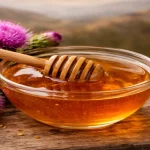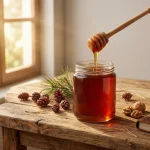

Honeycomb honey is one of the most valuable bee products, reaching our tables in its closest natural form. However, to preserve the nutritional value, structure, and aromatic character of this special delicacy, it is important to apply the correct storage methods. Honeycomb honey stored under the right conditions can be used for years without spoiling, maintaining its freshness and naturalness.
What is Honeycomb Honey? How Does it Differ from Filtered Honey?
Honeycomb honey is the purest and most unprocessed form of honey, stored by bees inside natural beeswax combs. Because it’s stored in the beeswax structure they create themselves, it retains both its nutritional value and aromatic integrity. Therefore, it’s one of the most valuable forms of honey for consumers seeking true naturalness.
Filtered honey, on the other hand, is obtained by straining the honeycomb, resulting in a more fluid and convenient form. Because the honeycomb structure is separated at this stage, filtered honey offers a clearer, more uniform texture and is easier to use. Honeycomb honey contains beeswax, pollen, and natural enzymes, so its structure may be more layered and its aroma more intense.
Natural Production Process
Bees first weave the honeycomb structure from beeswax, then transport nectar to these structures and mature it with their natural enzymes. Throughout this process, the honey is not subjected to any heat treatment, additives, or mechanical separation; it matures entirely within the hive’s natural cycle.
The bees’ food sources, the vegetation of the region, and the climatic conditions directly affect the structure, aroma, and nutritional value of honeycomb honey. Honeycomb honey produced in regions with rich flora can offer a more intense aroma, a stronger structure, and a higher nutritional content. Therefore, the natural production process is one of the most important factors determining the quality of honeycomb honey.
Why is honeycomb honey more sensitive?
Because beeswax is a natural and porous material, it can easily absorb odors, moisture, and temperature changes from its surroundings. This causes honeycomb honey to be affected by environmental factors more quickly.
Also, since the honey inside the honeycomb reaches the consumer in its raw form without any heat treatment or filtration, enzymes, pollen particles, and natural aromatic components are preserved. These natural components, while enhancing the quality of the honey, also affect its sensitivity to storage conditions. Temperature or high humidity can cause the beeswax to soften or the consistency of the honey to change.
Why Does Honeycomb Honey Require Special Storage?
Because honeycomb honey is not subjected to heat treatment or filtration, it retains a high level of its enzymes, pollen, and natural aromatic components in its raw form. These natural ingredients can easily be damaged under improper storage conditions. High temperatures, in particular, can soften the beeswax, while excessive moisture can cause undesirable changes in the honey’s structure.
Therefore, one of the most important questions for consumers is “how should honeycomb honey be stored?”. Correct storage methods both preserve the integrity of the beeswax and ensure the honey retains its nutritional value for a long time.
Temperature Sensitivity of Enzyme and Vitamin Structure
One of the most valuable properties of honeycomb honey is its preservation of enzymes, vitamins, and aromatic components in their natural state. Because honey matures in the hive at low temperatures and under controlled humidity, these delicate components remain intact and are incorporated into the honey’s structure. However, this structure is quite sensitive to high temperatures.
Enzymes such as diastase, invertase, and glucose oxidase, found in honey, gradually begin to lose their effectiveness when exposed to heat. Similarly, B vitamins and some antioxidant components are not stable against temperature increases. Temperatures above 35–40°C, in particular, can lead to a decrease in the nutritional value of honey and even structural changes in the long term.
Crystallization and the Role of Humidity
Honey is a natural product, and crystallization, or sugaring, over time is a completely normal process. This does not mean the honey is spoiled; on the contrary, it is one of the indicators that the honey is unprocessed and natural.
Crystallization occurs faster if the glucose content of the honey is high. In honeycomb honey, the beeswax texture can facilitate the aggregation of glucose molecules to form crystals. Therefore, the storage temperature and the stability of the environment are of great importance.
Because beeswax has a porous structure, it can easily absorb moisture from the environment. High humidity can thin the consistency of the honey, disrupt its aroma balance, and even increase the risk of fermentation in the long term. Therefore, honeycomb honey should be stored in a stable environment with a low humidity level.
Risks of Beeswax Structure Deterioration
High temperatures can cause beeswax cells to soften and their structural integrity to deteriorate. This can lead to deformation of the honeycomb, leakage of honey from the cells, or collapse of the honeycomb tissue. Excessive moisture can cause the beeswax to absorb water, soften, lose its shape, and change the consistency of the honey.
Physical impacts or compressive contact can also cause damage to the honeycomb tissue, such as breakage, crushing, and cracking. A damaged beeswax structure causes the honey to be exposed to more air; this can lead to a loss of the honey’s natural aroma, increased oxidation rate, and changes in consistency.
How to Store Honeycomb Honey? (Step-by-Step Storage Guide)
With the correct temperature, the right container selection, and suitable environmental conditions, honeycomb honey can maintain its freshness and structural integrity for many years. In the following step-by-step guide, you will find practical and reliable methods for storing this valuable product in the most ideal way.
What is the ideal temperature range?
The recommended temperature range for storing honeycomb honey without spoilage, loss of aroma, or damage to the honeycomb structure is 15–20°C. Temperatures above this range can cause the beeswax to soften, the honey’s fluidity to change, and the enzyme structure to weaken. Very low temperatures, on the other hand, can lead to excessive crystallization of the honey.
Should it be stored in the refrigerator or at room temperature?
Honeycomb honey should not be stored in the refrigerator because the low temperature and high humidity cause the beeswax to harden and the honey to crystallize rapidly. The ideal storage method is to keep honeycomb honey at room temperature, in a cool environment between 15–20°C, away from direct sunlight.
Why is using an airtight container important?
Honeycomb honey, due to the porous structure of beeswax, easily absorbs ambient odors, steam, and microscopic moisture. This can lead to fluctuations in the honey’s natural aroma, softening of the beeswax, or loss of honeycomb structure. Furthermore, when honeycomb honey is left open and exposed to more oxygen, the enzymes and antioxidant structures on the honey’s surface begin to weaken over time. Therefore, storing honeycomb honey in an airtight container, such as a glass or lidded food storage container, reduces oxidation and ensures the honeycomb’s structure remains stable. An airtight container also acts as a buffer against sudden temperature and humidity changes, even when not refrigerated, creating a longer-lasting storage environment for the honey.
Protection from Sunlight and Hot Environments
Exposure to sunlight can cause honeycomb honey to rapidly increase in temperature, softening the beeswax cells and causing them to lose their form. Honeycomb honey stored in sunny areas, such as shelves near glass or countertops, quickly changes its fluidity and its natural enzyme structure may deteriorate. Temperature fluctuations can also accelerate the crystallization process, leading to uneven sugaring of the honey inside the comb. Therefore, honeycomb honey should be stored away from heat sources, in a dark place, and in a location where the temperature does not fluctuate throughout the day.
Humidity control: The enemy of honeycomb honey
When ambient humidity rises, beeswax begins to absorb water; this can lead to softening of the honeycomb structure, collapse of cells, and thinning of the honey’s consistency. Furthermore, excessive humidity can affect the natural sugar balance in honey, increasing the risk of fermentation. Therefore, the storage environment for honeycomb honey must be dry, and no moisture should accumulate inside the container, even when the lid is closed. A low-humidity environment ensures that the honey remains stable for a long time, preserving both its texture and aromatic integrity.
Can Honeycomb Honey Be Stored in the Refrigerator?
Honeycomb honey is generally not recommended for refrigeration because low temperatures and high humidity can cause the beeswax to harden, the honey to crystallize rapidly, and its aromatic properties to weaken. Honeycomb honey retains its freshness much longer in a stable environment at room temperature. Therefore, the ideal answer to the question “Can honeycomb honey be stored in the refrigerator?” is that, except under special circumstances, refrigeration is not the right choice.
When is refrigeration preferable?
Honeycomb honey is normally stored at room temperature, but in very hot regions, where ambient temperatures exceed 30°C for extended periods, refrigeration can be used as a controlled alternative. In this case, the lid should be completely closed to prevent direct contact with moisture, and the honey should be placed in the most stable part of the refrigerator. However, this method is a short-term solution; the main goal is to prevent the honeycomb tissue from melting, the beeswax from becoming excessively soft, or the honey from changing consistency.
Potential disadvantages of refrigerating honey
The cold air in the refrigerator causes the honey in the honeycomb to crystallize much faster. While this process is natural, it can lead to the wax becoming brittle and the chewing texture deteriorating. The humid refrigerator environment can also cause the honeycomb to soften by being absorbed by the beeswax.
What to do in case of freezing/crystallization
When honey crystallizes due to refrigeration or natural processes, this does not indicate spoilage; it simply means that the glucose molecules within the honey have solidified. If honey in the honeycomb crystallizes, it is sufficient to gently warm the jar by placing it in a container filled with warm water (but without direct contact with the water). The temperature should not exceed 40°C; otherwise, the enzyme structure may weaken. This method allows the honey to return to its fluid form without damaging the beeswax. However, the honeycomb itself should not be completely melted; only the honey inside should be softened.
Does Honeycomb Honey Spoil? How Can You Tell If It’s Spoiled?
Honeycomb honey stored under the right conditions can remain unspoiled for years; however, high humidity, excessive temperatures, improper container use, or unhygienic contact can lead to undesirable changes in the honey’s structure. Because it is in honeycomb form, beeswax absorbs environmental factors more quickly; this can create noticeable signs of spoilage in the honey’s smell, color, and consistency.
Scent Changes
Honeycomb honey naturally has a light, floral, and beeswax-like aroma. If the honey begins to ferment, a sharp, sour odor emerges; this indicates that the water content in the honey has increased and fermentation has begun. Also, the transfer of unpleasant odors from the environment to the honey is a problem caused by the porous structure of beeswax. Honeycomb honey, normally stored in a clean environment, should not be consumed if it emits a noticeably foreign or acidic odor.
Color and texture changes
Petek balının rengi üretildiği floraya göre açık sarıdan koyu amber tonlarına kadar değişebilir; ancak bozulma başladığında renk matlaşır, bulanıklaşır ve petek dokusunda çökme benzeri deformasyonlar oluşabilir. Balmumu gözleri aşırı nem çektiğinde yumuşayabilir veya çökebilir; bu fiziksel değişim genellikle balın yapısında mikrobiyal aktivitenin arttığının göstergesidir. Kristalleşme ise bu bozulmalarla karıştırılmamalıdır; kristalleşmiş bal hala güvenlidir.
Abnormal Taste and Acidic Deterioration
Spoiled honeycomb honey develops a sharp, sour taste instead of its natural sweet and floral character; this taste change usually indicates the onset of fermentation processes. A slight burning sensation in the mouth, an alcohol-like taste, or an intense acidic feeling are the clearest signs of spoilage. If the honey has thinned and tasted bitter due to the beeswax absorbing water, this product should not be consumed. Healthy honeycomb honey, whether crystallized or in liquid form, never has a sour or alcoholic taste.
How to Fix Crystallized Honeycomb
To restore crystallized honeycomb to its original fluid consistency, simply place the jar in a container filled with lukewarm water and gently heat the honey. However, the water temperature should absolutely not exceed 40°C, otherwise the honey’s enzymatic structure may be damaged. The jar lid should remain closed during heating, and the honeycomb should not come into direct contact with the hot water.
Common Mistakes Made When Storing Honeycomb Honey
One of the most common mistakes when storing honeycomb honey is keeping it in the refrigerator; low temperatures and high humidity can cause the beeswax cells to harden or collapse. Another mistake is keeping honey exposed to the air or in loosely sealed containers, as beeswax quickly absorbs odors and moisture, leading to both aroma loss and structural deterioration. Storing honeycomb honey on sunny shelves, on countertops, or near heat sources can also weaken the enzyme structure and alter the honey’s natural character. Humid storage areas can cause the beeswax to absorb water, deform, and even increase the risk of fermentation in the long term.
To discover valuable natural honeys like honeycomb honey, you can browse our Natural and Organic Honeys page. Here you can find our natural honey varieties that contribute to your tables with their high nutritional value and unique taste.
You can also check out our Honey Cookie Recipe article for a practical recipe for delicious honey cookies that you can easily prepare at home.
Frequently Asked Questions
Does honeycomb honey spoil?
Honeycomb honey stored under the right conditions can remain unspoiled for years, but high humidity, excessive temperatures, or unhygienic contact can lead to undesirable changes in the honey’s structure, such as fermentation and deterioration of its aroma. Signs of spoilage include a sour smell, an acidic taste, or the collapse of the honeycomb structure.
Does it preserve honeycomb honey?
Generally, no. The low temperatures and high humidity of the refrigerator cause honeycomb honey to crystallize quickly, the beeswax mass to harden, and its aroma to weaken. It may only be preferable to store it in a completely sealed container as a temporary solution in very hot weather.
Does honeycomb honey spoil if it crystallizes?
No. Crystallization is a natural characteristic of honey and is not a sign of spoilage. It occurs when glucose molecules solidify, and it can be safely consumed. If desired, the jar can be gently heated with lukewarm water to restore the honey to its original consistency.
How long can honeycomb honey be stored?
Under suitable conditions (stored in a cool, dry, dark place in a sealed container), honeycomb honey can retain its freshness for years. Since the beeswax texture is sensitive to environmental factors, it is sufficient for the storage area to be stable in terms of humidity and temperature.