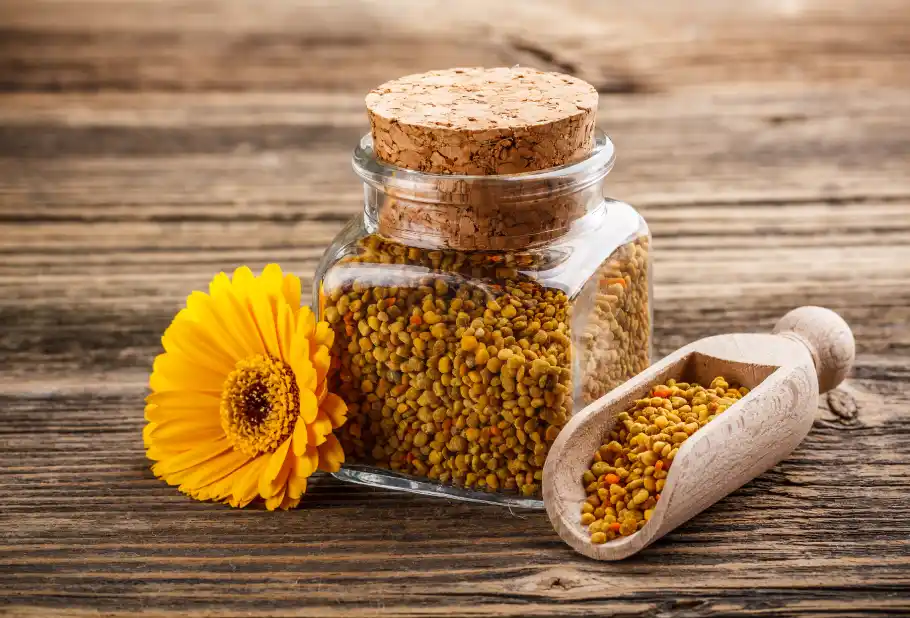
Bee pollen, collected by bees from flowers and enriched with natural enzymes, is among the highly nutritious bee products. Thanks to its protein, vitamin, and mineral content, it has become increasingly popular in healthy lifestyle routines in recent years. So, what is pollen? What are the benefits of bee pollen? And how should pollen be used correctly? We will address all these questions in this article.
What is Bee Pollen? Nature’s Hidden Miracle
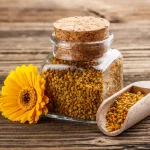
Bee pollen is a natural bee product formed by bees collecting pollen grains from flowers and combining them with their own enzymes and a small amount of nectar to create small granules. As such, it’s not just a plant-based powder; it’s a special mixture that bees process to increase its nutritional value, enriching it with protein and micronutrients.
The Pollen Formation Process: The Journey from Flowers to the Hive
The journey of pollen begins in the male reproductive organs of flowers. When bees land on flowers to collect nectar, pollen grains stick to the hairs on the bee’s legs. The bee collects this pollen in “pollen baskets” on its hind legs. The collected pollen combines with natural enzymes secreted by the bee and a small amount of nectar to form small granules. These granules are carried to the hive and form an important protein source for the bee colony. Bee pollen, which is consumed, is also in this granular form.
What is the Difference Between Bee Pollen and Flower Pollen?
Flower pollen is pure pollen dust carrying the reproductive cells of plants. However, bee pollen is transformed into a different structure thanks to the bees collecting this pollen and enriching it with their own enzymes. Therefore, bee pollen is not just a plant product, but a food processed by the labor of bees.
This difference is also important in terms of the benefits of bee pollen. The enzymes and nectar added by bees increase the digestibility of pollen, resulting in a more balanced nutritional value. Therefore, bee pollen is generally preferred when it comes to pollen consumption.
Pollen Nutritional Profile: A Source of Protein, Vitamins, and Minerals
Bee pollen has a rich content of protein, amino acids, vitamins, and minerals. It is particularly noteworthy for its B vitamins and minerals such as iron, zinc, and magnesium. It also contains natural carbohydrates and antioxidant components.
Due to its protein content, it is also preferred by athletes and those with demanding work schedules. However, pollen consumption should always be moderate, and if trying it for the first time, start with small amounts. This allows you to observe your body’s reaction.
Bee Pollen Benefits: Why Should We Consume It?
Bee pollen is a natural product preferred as a supplement to daily nutrition due to its rich nutritional content. It is particularly popular among people with busy lifestyles because of its proteins, vitamins, minerals, and antioxidant components. The benefits of bee pollen are not limited to a single area; it can play a supportive role in various systems, from immunity to energy levels.
Antioxidant Effect that Strengthens the Immune System
Bee pollen has a rich content of antioxidant components. These components can help fight free radicals formed in the body. Keeping free radicals under control contributes to a more balanced functioning of the immune system.
Regular and moderate use of pollen can be supportive, especially against the increased risk of infections during seasonal changes. However, it should be considered as part of a balanced diet, not as a standalone treatment method.
Natural Energy Source: Combating Fatigue and Weakness
One of the notable features of bee pollen is its ability to provide natural energy support. The carbohydrates, amino acids, and B vitamins it contains can create a more balanced feeling of energy throughout the day.
People experiencing intense work schedules, sports, or physical fatigue may prefer bee pollen due to this energy support, which is among its benefits. When consumed in small amounts in the mornings, it can contribute to feeling more energetic throughout the day.
Supporting Liver Functions and Detoxifying Effect
The liver is the body’s natural filtering center. Bee pollen, thanks to its antioxidant components, can support liver cells against oxidative stress. This supportive effect is particularly prominent in cases of irregular diet, intense stress, or exposure to environmental toxins.
Cardiovascular Health: Role in Cholesterol Balance
Bee pollen, thanks to some natural fatty acids and antioxidants it contains, can support the circulatory system. Antioxidant components can play a role in protecting vascular health and contribute to maintaining cholesterol balance.
Regular and moderate use of pollen, when considered alongside healthy eating habits, can have a supportive effect on the cardiovascular system. However, individuals with pre-existing heart conditions should consult a specialist before use.
The Importance of Bee Pollen for Athletes and Active Lifestyles
Bee pollen is a natural food source that can support an active lifestyle thanks to its protein, amino acid, vitamin, and mineral content. Its benefits become particularly noticeable when it comes to muscle repair, energy production, and recovery. When considered as part of a balanced diet, it can contribute to the sustainability of performance.
Muscle Repair and Amino Acid Support
Bee pollen is rich in essential amino acids. Amino acids are the building blocks of muscle tissue and play a crucial role in the muscle repair process, especially after training.
Micro-level muscle damage occurs in the body after intense exercise. Sufficient protein and amino acid intake are necessary to repair this damage. Pollen consumption can be considered a natural resource to support this process. It can be consumed especially in the morning or after training, along with yogurt, kefir, or smoothies.
Increasing Athletic Performance and Endurance
The natural carbohydrates and B vitamins in bee pollen contribute to the healthy functioning of energy metabolism. This means more balanced energy use during exercise.
Regular and moderate pollen consumption can help maintain endurance during intense training. It can also support the recovery process, contributing to feeling more ready for the next workout.
How Should Bee Pollen Be Consumed? The Best Methods
To get the maximum benefit from bee pollen, the correct method of consumption is important. Pollen use can vary depending on a person’s age, lifestyle, and sensitivity. Bee pollen in granular form can be consumed directly or mixed with other foods.
Consumption by Mixing with Yogurt, Milk, or Honey
Bee pollen can be most practically consumed by chewing it directly. However, for those who find its taste too strong, mixing it with yogurt, kefir, or warm milk may be an easier method.
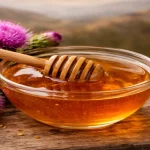
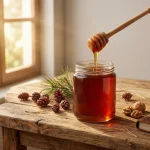
Adding a teaspoon of pollen to a bowl of yogurt at breakfast increases its nutritional value and makes it easy to incorporate into your daily routine. When consumed with honey, its aroma softens and a more balanced flavor is obtained.
Should You Consume Pollen on an Empty Stomach or After a Meal?
Pollen consumption is generally recommended in the morning. Absorption may be faster when consumed on an empty stomach, but for those with sensitive stomachs, it may be more suitable to consume it after a meal or a light meal.
For beginners, the safest method is to consume a small amount with breakfast and observe the body’s reaction. Since everyone’s digestive system works differently, the ideal time may vary from person to person.
Ideal Daily Intake (For Adults and Children)
The recommended daily amount for adults is generally between 1 and 2 teaspoons. This amount is sufficient with regular use. More than this does not provide additional benefits and may lead to unnecessary calorie intake.
For children, the amount should be lower depending on their age. It is generally recommended to start with 1 teaspoon. However, bee pollen should not be given to children under 1 year old.
Bee Pollen Storage Conditions: How to Keep it Fresh?
Just as important as the benefits of bee pollen is the correct storage conditions. Pollen stored incorrectly can absorb moisture, change its aroma, and lose its nutritional value. Therefore, how pollen is stored is as important as how it is used.
Differences Between Fresh and Dried Pollen
Bee pollen is offered to consumers in two different forms: fresh and dried pollen. The main difference between these two forms stems from their moisture content and storage conditions.
Fresh pollen is the form that is sold without undergoing a drying process after being collected from the hive. It has a high moisture content and is therefore more susceptible to microbial spoilage. It needs to be stored in a cold chain. It is usually stored in the refrigerator at 0–4°C, and for long-term storage, it is recommended to keep it in the freezer. Fresh pollen has a softer texture and a more aromatic structure. However, due to its high moisture content, its shelf life is shorter.
Dried pollen, on the other hand, is a form whose moisture content has been reduced by drying at low temperatures under controlled conditions. Reducing the moisture content increases the product’s durability and extends its shelf life. This form is more practical for daily pollen use because it can be stored at room temperature in a dry environment away from sunlight. Its granular structure is harder and easier to transport.
Both forms are rich in nutritional value, but the quality of the content can be compromised if storage conditions are not applied correctly. The biggest risk with fresh pollen is spoilage, while with dried pollen, the risk of moisture absorption and mold growth is high. Therefore, regardless of the form chosen, it should be stored in airtight glass jars at the appropriate temperature.
Refrigerator or Room Temperature? Correct Storage Methods
Dried pollen can be stored in a cool, dry place away from sunlight. Room temperature is suitable, but the environment should not be humid. Glass jars should be preferred, and the lids should be tightly closed after each use.
Fresh pollen, on the other hand, must be stored in the refrigerator. For long-term storage, the freezer can be used. This preserves both its freshness and nutritional value.
Important Considerations and Side Effects
Although bee pollen is a natural product, not every natural product is suitable for everyone. It contains a high concentration of protein, enzymes, vitamins, and plant pollen particles. This high biological density may cause sensitivity in some individuals.
When planning to use pollen, the individual’s allergy history, existing illnesses, and regularly used medications must be taken into account. Especially if it’s the first time, start with a low dose and monitor the body’s reactions.
Warnings for Those with Bee Product Allergies
Bee pollen is a product that has come into contact with honey, propolis, and other bee products. Therefore, it may pose a risk to people with allergies to bee products.
Especially:
Those with seasonal pollen allergies
Those with asthma
Those with a history of serious reactions to bee stings
should be cautious when using bee pollen.
Symptoms of an allergic reaction can range from mild itching to shortness of breath. If symptoms such as a feeling of swelling in the throat, skin redness, or difficulty breathing occur, consumption should be stopped immediately and medical attention should be sought.
The safest method is to start with a very small amount, such as half a teaspoon, and observe the body’s reaction over a few hours.
Who Should Consult a Doctor Before Consuming Bee Pollen?
The following individuals should especially avoid regular consumption of bee pollen without consulting a doctor:
- Those with chronic illnesses: Caution should be exercised in individuals with immune system diseases, autoimmune disorders, or serious metabolic diseases.
- Those taking regular medication: The possibility of interaction should be evaluated in individuals using blood thinners, blood pressure regulators, or immunosuppressants.
- Diabetics: Pollen contains natural carbohydrates. Even in small amounts, individuals monitoring blood sugar should consume it in moderation.
- Pregnant and breastfeeding women: The immune system functions differently during this period. Like any supplement, bee pollen should be consumed with a doctor’s approval.
- Children: Bee pollen should not be given to children under 1 year of age. For older children, the amount should be kept low according to their age.
Discover Naturalness with Cahter Organic
Get to know the bee pollen produced in Siirt’s rich flora. Add natural support to your daily diet with Cahter Organic Bee Pollen, which is additive-free, carefully harvested, and stored under the right conditions.
Frequently Asked Questions
Does pollen cause weight gain?
When consumed in recommended amounts, i.e., not exceeding 1-2 teaspoons per day, it generally does not cause weight gain. It can be used as a supplementary product when considered as part of a balanced diet.
Does pollen spoil? What does it taste like?
It can spoil if not stored under appropriate conditions. Pollen left in a humid environment may mold or change its aroma. Therefore, it should be stored in an airtight glass jar in a cool, dry place. Fresh pollen should be kept in the refrigerator.
What color is the best quality bee pollen?
There is no single “high-quality” color of bee pollen. It can range from yellow to orange, brown to purple. The color varies depending on the plant from which the bees collect the pollen. The main factor determining quality is that the pollen is dry, clean, naturally scented, and free of moisture.