
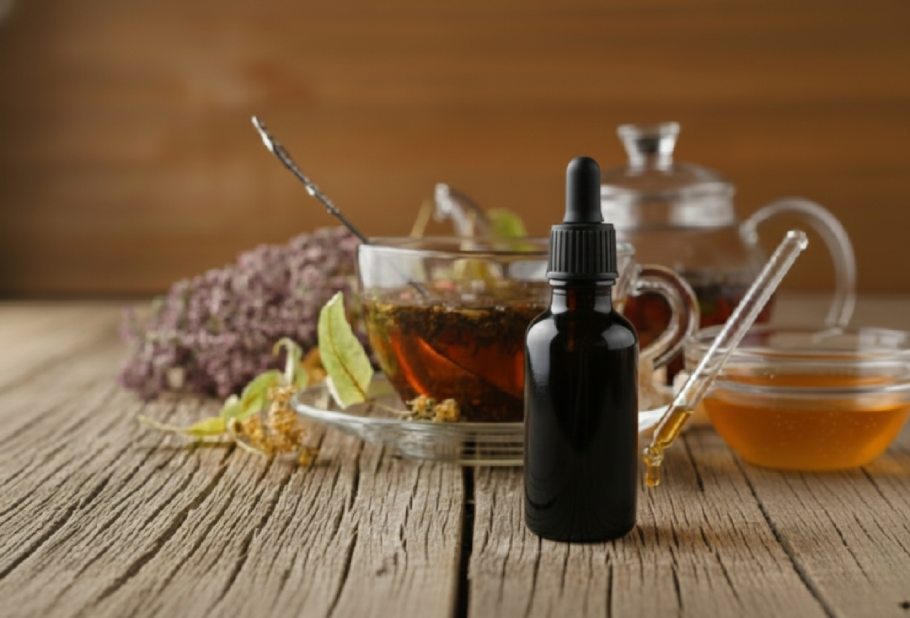
One of nature’s strongest protectors, propolis is a miraculous bee product that supports immunity and balances the body when used regularly. However, to maintain this powerful effect correctly, the most frequently asked question is: “How long should propolis be used?” In this article, we will explore what you need to know about the duration of propolis use.
What Determines the Duration of Propolis Use?
The duration of propolis use is not the same for everyone, because the effect the body needs and the concentration and form of the product used directly influence this period. For example, there is a bioavailability difference between pure propolis extract and capsule form, which is an important factor in determining how long it should be used.
In general, the answer to “how long should propolis be used” varies according to the individual’s immune status, intended purpose (protective, supportive of treatment, or seasonal), and the propolis concentration in the product.
Seasonal protection: 4–6 week cycles may be sufficient.
Immune support: Especially during periods of stress or illness, it may be extended up to 8–12 weeks.
However, long-term and uninterrupted use is not recommended for the body’s natural balance; taking breaks of 1–2 months before restarting is usually advised.
In conclusion, the duration of propolis use does not depend on a single formula; it should be determined according to personal health status, product type, and usage purpose. The best approach is to follow the dosage recommendations of reliable producers and consult a healthcare professional when necessary.
Daily Propolis Dosage and Usage Intervals
The daily dose of propolis varies depending on age, the intended purpose, and the form of the product (drops, capsules, sprays, powder). The basic principle is to start with a small amount and adjust based on the body’s response. Scientific studies generally indicate that up to 500 mg per day (approximately 10–15 drops of pure propolis extract) is considered safe for adults.
If you are using propolis for immune support, the most effective time to consume it is on an empty stomach in the morning or before meals. If used during seasonal allergies or cold periods, a regular 2–3 week cycle followed by a few days’ break helps maintain the body’s tolerance balance.
For daily use, continuous consumption is not recommended; supportive use in structured intervals works best. For example:
Protective use: 3 weeks on + 1 week off
Supportive use: 6 weeks on + 2 weeks off
This cycle preserves the effectiveness of propolis while maintaining the body’s natural immune response. For children and pregnant individuals, dosage must be adjusted strictly under medical supervision.
Is Long-Term Propolis Use Safe?
Long-term propolis use is generally considered safe, but if dosage and intervals are not properly planned, sensitivity may increase. According to scientific data, the flavonoids and phenolic compounds in propolis support immunity in the long term; however, excessive and uninterrupted use may cause allergic reactions or stomach sensitivity in some individuals. Experts typically recommend taking a 1–2 week break after 8–12 weeks of use.
When and How Should a Propolis Cycle Be Applied?
A propolis cycle is especially recommended during seasonal transitions, periods of weakened immunity, or when there is a tendency to get sick frequently. Generally, a regular 4 to 6 week cycle is enough to strengthen the body’s defense system. The most effective way to consume it is in the morning on an empty stomach, mixed with warm water, milk, or honey—this allows the antioxidant components to enter the bloodstream more quickly. For those using capsules or drops, it is important to follow the manufacturer’s recommendations and not exceed the daily dose. For those asking “how long should propolis be used,” the ideal approach is to apply 2–3 cycles per year with 1–2 week breaks after each cycle. This controlled yet consistent use ensures maximum benefit from propolis.
In Which Situations Should Propolis Use Be Paused?
Although propolis is a powerful natural support, the body sometimes needs rest. Especially individuals prone to allergies should pause use if they experience skin rashes, mouth irritation, or stomach discomfort during long-term use. Similarly, individuals with highly reactive immune systems may experience overstimulation from propolis. Experts recommend taking at least a 1-week break after every 6–8 weeks of regular use. Additionally, during pregnancy, breastfeeding, chronic illnesses, or medication use, propolis cycles should be limited or temporarily halted with medical approval.
Effective Usage Durations According to Clinical Studies
Clinical studies show that the most effective way to benefit from propolis is regular but limited-duration use. Research conducted in the UK, Brazil, and Japan indicates that 4 to 12 weeks of propolis use is the most efficient period for enhancing immune response, reducing oral and throat infections, and supporting cellular repair.
Longer and continuous use has been observed to stabilize the effect rather than increase it. Periodic cycles throughout the year, such as 6-week regular use followed by 2-week rest during seasonal beginnings, are recommended.
When used in the right dose and correct duration, propolis is one of nature’s strongest protectors. Cahter Organik Propolis, produced in the ecological highland flora of Siirt where bees work freely, offers both safe and effective use thanks to its pure composition. Support your immunity with the purity nature provides, and protect your energy, balance, and health naturally.
Discover Cahter Organik Propolis products now and embrace the rhythm of nature.
Frequently Asked Questions
Is it harmful to use propolis every day?
It is generally considered safe; however, uninterrupted long-term use may increase sensitivity/allergy risk. After 6–8 weeks of use, taking a 1–2 week break is a good practice.
What is the minimum time needed to see the effects of propolis?
Studies show that effects generally become noticeable within 2–4 weeks; 2–6 weeks for oral/throat use and 4–8 weeks for systemic support.
When should a propolis cycle be started during seasonal transitions?
Starting 1–2 weeks before the transition and continuing for 4–6 weeks is recommended as a protective approach for seasonal sensitivities.
Should breaks be taken while using propolis, or can it be used continuously?
Yes, cyclical use is preferred: 6–8 weeks of use + 1–2 weeks off.
Does allergy risk increase in long-term propolis users?
Hypersensitivity is the most commonly reported side effect in both topical and systemic use; the risk may increase with long and continuous use. If symptoms occur, a break should be taken.
Should children use propolis for the same duration as adults?
No. Dosage and duration should be lower and shorter, preferably under medical supervision. Since clinical studies on children are limited, adult protocols should not be directly applied.
Should individuals with strong immunity also use propolis?
Clinical data shows antioxidant/anti-inflammatory effects in 4–8 week periods; even individuals with strong immunity may choose short, seasonal cycles.
Does taking a break from propolis cause a drop in immunity?
Taking breaks does not reduce effectiveness; in fact, it supports long-term tolerance and safety. Effects are observed in 4–12 week cycles in most studies.
Is it safe to use propolis together with other supplements (vitamins, omega-3, etc.)?
Generally yes; however, individuals with medication interactions or allergy history should consult a doctor. Concurrent use is common in clinical settings, but there is no universal standard protocol.
How many weeks of propolis use do clinical studies recommend?
Most studies cover a range of 4–12 weeks; around 8 weeks appears optimal for antioxidant markers. Protocols for oral care range from 2–12 weeks.
You have learned how long propolis should be used; now, if you wish, you can continue to our article “What Is Propolis?” to see how this special bee product is formed.
To access all of nature’s bee products, you can visit our Bee Products page.