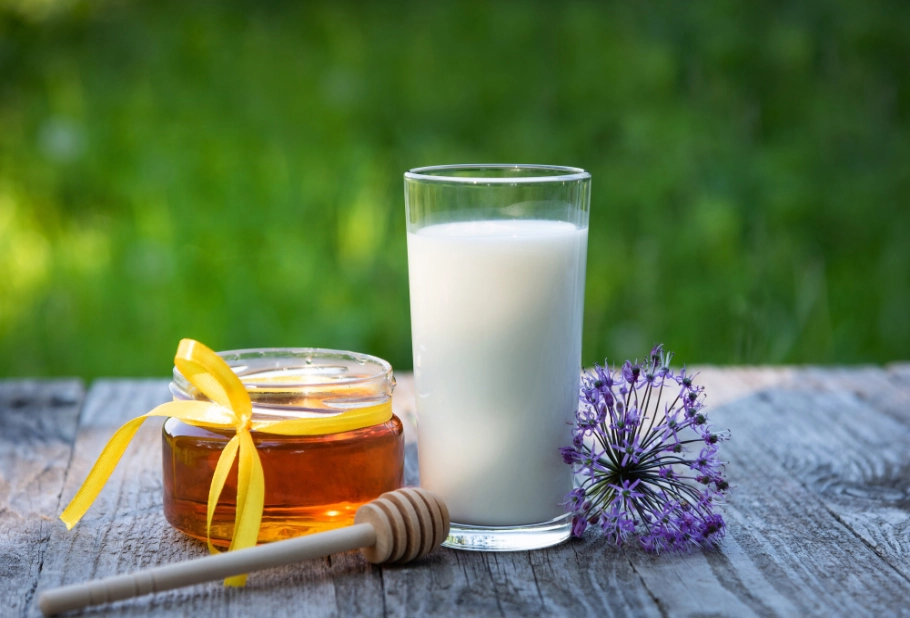
Honey milk is a very easy drink to prepare. However, to fully benefit from the nutritional value of milk and honey, certain rules must be followed during preparation, especially regarding temperature balance. In this article, we will answer the question of how to make the healthiest honey milk without destroying the vitamins, minerals, and enzymes in the honey. Here is the ideal honey milk recipe you can follow step-by-step, and the details you should pay attention to while preparing it.
What is Honey Milk and What Ingredients are Used?
Honey milk is a functional food where the protein and calcium in milk are combined with the enzymes, minerals, and vitamins in honey. When preparing honey milk, it’s important to ensure that both nutrients retain their biological value before being consumed.
The basic ingredients you need to prepare this special mixture are:
- Milk: Fresh, daily milk if possible, or plant-based alternatives like oat or almond milk for those who don’t consume animal milk.
- Honey: Raw honey that has not been heat-treated and retains all its enzyme and pollen values.
- Optional Additives: A pinch of cinnamon, ginger, or natural vanilla extract to enhance its effect.
Steps to Making Honey Milk
To achieve ideal results and preserve the healing properties of honey, your greatest guide in the kitchen should be temperature control. The answer to the question many people wonder about – how to make honey milk – is actually very simple:
- A glass of water is placed in the saucepan and the milk is heated until it starts to glow. Never boil the milk until it’s bubbling; remove it from the heat when light steam begins to rise from the edges.
- The delicate enzymes in honey begin to break down at temperatures above 45 degrees Celsius. Therefore, your milk
- After removing it from the heat, let it sit for about 2-3 minutes, or until it cools down to a drinkable temperature.
- Once your milk has cooled slightly, add one teaspoon of raw honey. Gently stir with a wooden or ceramic spoon until the honey is completely dissolved.
- If you are using cinnamon or other spices, add them at this stage and consume your drink fresh.
By following these steps, your honey milk recipe will not only delight your palate but also ensure that the natural antibacterial properties of honey and the soothing effects of milk reach your body without being compromised.
Honey Milk Recipes: Different Flavors
Enriching the smooth base of honey milk with different natural flavors both increases the nutritional value of the drink and transforms each glass into a new discovery. Combining the characteristic aromas of spices with the natural sugars of fruits, these recipes are a wonderful alternative, especially for children with picky palates or adults who need energy throughout the day.
Honey and Ginger Milk
Especially during winter months, ginger is the best companion for raising body temperature and supporting the immune system. For this special drink, heat a glass of milk, adding hazelnut-sized slices of fresh ginger. When the milk starts to warm, strain out the ginger and then add a teaspoon of honey. The combination of ginger’s sharp aroma and honey’s sweetness creates this powerful honey milk recipe, perfect for soothing the throat and boosting energy.
Honey and Banana Milk
For those looking for a thicker and more filling option, the banana version is a real energy booster. So, how do you make a fruity and nutritious honey milk? First, blend a ripe banana with half a cup of milk until smooth. Then add the remaining half cup of warm milk to this mixture. When the mixture reaches a drinkable temperature, add your honey and stir. This recipe is a delicious and healthy meal replacement, especially for post-workout recovery or for children’s breakfasts.
Honey and Cinnamon Milk
Cinnamon, with its blood sugar-balancing effect and soothing aroma, is the classic partner for honey and milk. When preparing this recipe, you can heat your milk with a cinnamon stick to allow the flavor to infuse. After removing the milk from the heat and letting it cool, remove the cinnamon stick and add the honey. The woody aroma of cinnamon combined with the floral taste of honey creates a perfect calming drink for your bedtime rituals.
What Type of Milk Should Be Used for Honey Milk?
One of the most important factors determining the flavor of honey milk is the type of milk you choose as the base. Traditionally, full-fat cow’s milk is the most preferred option due to its high calcium content and rich texture. However, for those with digestive sensitivities, goat milk is a great alternative with its structure closest to breast milk and its more easily digestible protein molecules. If you do not consume animal products or have lactose intolerance, plant-based sources such as almond milk or oat milk also perfectly complement the aroma of honey.
If possible, using fresh, daily pasteurized milk increases the nutritional value of the drink. Long-life (UHT) milk can also be preferred, but the freshness of the milk directly affects the smooth taste you will achieve in your honey milk recipe. If you prefer plant-based milk, choosing unsweetened varieties will allow you to experience the natural aroma of honey more clearly.
What to Consider When Making Honey Milk?
Other important points to consider during the preparation process are:
- Honey Quality: Using unprocessed, unfiltered raw honey ensures you fully benefit from the antibacterial effects of the drink.
- Stirring Equipment: To preserve the honey’s structure, using a wooden or ceramic spoon, if possible, is a healthy approach to minimize metal-honey interaction.
- Freshness: Honey milk should be consumed immediately after preparation. The nutritional value of honey decreases rapidly in mixtures that are left standing or repeatedly reheated.
A honey milk recipe prepared with attention to these details will not only delight your palate but also provide your body with the natural support it needs in its purest form.
The taste and benefits of honeyed milk are directly related to the naturalness of the honey used. To discover honey options that are pure, sourced from reliable sources, and have preserved their enzymes, you can browse our Natural and Organic Honey page.
On the other hand, bittim, which holds an important place in Anatolia’s natural product culture and is especially used in personal care, stands out with its unique structure and uses. To learn more about the origin, properties, and uses of this valuable raw material, you can review our content titled “What is Bıttım ?“.
Frequently Asked Questions
Should honey milk be drunk hot or cold?
Honey milk should generally be consumed lukewarm. This is because, in order to preserve the beneficial components and enzymes in honey, the milk should not exceed 45-50 degrees Celsius (i.e., drinkable lukewarm). It can also be prepared with cold milk, but honey is more difficult to dissolve in cold liquid.
How many calories are in honey milk?
One glass (200 ml) of semi-skimmed milk contains approximately 95-100 calories, and one teaspoon of honey contains approximately 60 calories. Therefore, a standard glass of honey milk is around 150-160 calories on average. Depending on the fat content of the milk and the amount of honey used, this value can go up to 180 calories.
Does honey milk help with weight loss?
The protein and natural sugars it contains keep blood sugar balanced, preventing sudden hunger pangs and cravings for sweets. Drinking a lukewarm glass of honey milk, especially to prevent nighttime snacking, creates a feeling of fullness and supports your diet.
Is honeyed milk suitable for people of all ages?
All individuals over the age of 1 can consume it. Only those with sugar sensitivity or diabetes are advised to control portion sizes.
When should honeyed milk be consumed?
If you want to start the day energetically, you can drink it at breakfast; if you want to transition to a peaceful sleep, you can drink it 30-45 minutes before bedtime.
Can honeyed milk be given to babies?
No, honeyed milk should absolutely not be given to babies under the age of 1. The “Clostridium botulinum” spores in honey can cause a serious poisoning called “botulism” in the underdeveloped digestive system of babies.