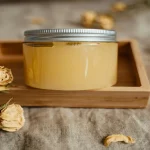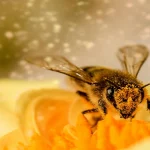

Perga, also known as bee bread, is a nutrient-rich substance created when bees ferment pollen, honey, and lactic acid bacteria. This natural product, known for its high bioavailability, supports both digestive and immune health. Compared to bee pollen, it is easier to digest and contains beneficial probiotic properties.
As a natural and nourishing bee product, perga (bee bread) has recently gained attention among those interested in healthy nutrition and natural supplements. So, what exactly is perga, how is it formed, and what benefits does it offer? Here’s everything you need to know about this miracle of bees.
What Is Perga?
The word perga refers to the substance that bees produce by mixing pollen, honey, and beneficial bacteria. The term originates from Latin and is commonly known as bee bread. For bees, perga is an essential source of protein and nutrients, formed naturally through the fermentation of pollen, honey, and lactic acid bacteria (Ćirić et al., 2022). This process enhances the digestibility of pollen and enriches its nutritional profile.
Perga serves as a vital food source for honeybees. Bees meet their nutritional needs by collecting pollen, nectar, and water. While nectar provides carbohydrates, pollen supplies protein and other essential nutrients such as lipids, vitamins, and minerals. Worker bees collect the pollen, store it in honeycomb cells, and add a small amount of honey on top.
During this process, the pollen undergoes lactic acid fermentation, transforming into bee bread—a form that is easier for bees to digest and can be stored for long periods. It is the hive’s main source of protein and other critical nutrients.
How Is Bee Bread (Perga) Formed?
Bees collect pollen from flowers and carry it back to the hive. The pollen is packed tightly into honeycomb cells and covered with a thin layer of honey. At this stage, naturally occurring lactic acid bacteria and yeasts in the pollen begin the fermentation process, resulting in the formation of perga. This fermentation increases the nutritional value of pollen and allows it to be preserved for long periods without spoiling.
A study identified the presence of yeast species such as Torulopsis magnoliae in bee bread (Gilliam, 1979). These microorganisms initiate fermentation, resulting in a product that is both easier to digest and richer in nutrients.
Differences Between Bee Pollen and Bee Bread
Here are the key differences between bee pollen and bee bread (perga):
Production Process: Pollen is the raw material collected directly from flowers, while perga is the fermented form of pollen within the hive.
Nutritional Value and Chemical Structure: Compared to pollen, perga has higher bioavailability and is easier to digest (Ćirić et al., 2022). During fermentation, pollen becomes enriched with honey and beneficial bacteria, resulting in a more complex composition.
Bioavailability: Studies show that perga is absorbed more effectively by the human body. This improvement comes not from changes in the outer layer of pollen but from internal structural modifications during fermentation (Sujitha et al., 2021; Özkök et al., 2022).
Nutritional Value of Bee Bread (Perga)
Perga contains around 250 different compounds and is rich in macro elements (Ca, Fe, K, Mg, Na, Zn, P, Mn) and micro elements (Co, Cu, Ni, Se, Pb, As, Hg, Cr) (Ćirić et al., 2022). Minerals such as potassium and phosphorus are particularly abundant.
Its protein content ranges from 15% to 23%, including all essential amino acids. Thanks to fermentation, perga also contains natural probiotic properties. Lactic acid bacteria support digestive health and help the body use nutrients more efficiently (Ćirić et al., 2022; Özkök et al., 2022). Because of these features, it is often referred to as “nature’s probiotic.”
Why Is Bee Bread (Perga) Important?
Due to its strong immunomodulatory effects, perga helps strengthen the immune system. According to research published in the Trace Elements and Minerals Journal, it showed preventive and symptomatic treatment potential during the COVID-19 pandemic. The natural probiotics formed during pollen fermentation regulate the digestive system and enhance nutrient absorption.
With its rich content of protein, vitamins, minerals, and carbohydrates, perga also supports energy production and physical performance.
How to Consume Perga
Thanks to its high nutritional value and probiotic properties, perga can be consumed both directly and with other foods. Below is a detailed usage guide:
Recommended Daily Intake:
Adults: 5–10 grams (approximately one teaspoon) per day.
Athletes or highly active individuals: up to 15 grams.
Children: 2–5 grams (half to one teaspoon), ideal for supporting immunity during school age.
Consumption Tips:
Mix with yogurt for breakfast or snacks to aid digestion and support gut health.
Combine with milk or kefir for better taste and enhanced probiotic effects.
Blend with fresh fruit juices (orange, pomegranate, or apple) for extra energy and vitamins—great after workouts.
Chew directly in small granules to enhance nutrient absorption through the mouth’s mucous membranes.
When consumed on an empty stomach in the morning, its energizing effects are more pronounced. Regular use strengthens immunity. Store in a cool, dry, and dark place to preserve its quality.
Health Benefits of Perga
Perga provides multiple benefits for both bees and humans. The main effects include:
Immune Support:
Its immunomodulatory and antiviral properties may strengthen the immune system. Studies during the COVID-19 pandemic highlighted its potential as an immune-supporting supplement (Ćirić et al., 2022).Digestive Health:
Natural probiotics formed during fermentation support gut flora and make digestion easier. Its higher bioavailability ensures better nutrient absorption compared to pollen.Energy and Performance:
With its rich protein, vitamin, mineral, and carbohydrate content, perga may help increase energy levels and support physical endurance.
Precautions and Possible Side Effects
As with other bee products, there are a few points to consider:
Individuals allergic to bee products or pollen may experience allergic reactions ranging from mild rashes to shortness of breath.
Due to its high fiber and nutrient density, it may cause bloating or mild indigestion in sensitive individuals.
To avoid contamination with pesticides or heavy metals, always choose products from trusted producers.
Those with chronic health conditions should consult their doctor before use.
Perga Bee Bread Prices
Because it is rare and difficult to produce, the price of bee bread is typically higher than that of honey. 100-gram packages are generally moderately priced, while 300-gram packages are sold at higher prices. Capsule forms offer convenience and are sold at premium rates.
Perga Production at Cahter Organik
Produced by bees that feed on Siirt’s 872 plant species, Cahter Organik’s perga brings the pure richness of nature to your table. With a commitment to additive-free and natural production, you can experience the authentic power of nature. All products come with detailed laboratory analysis reports to ensure safety and quality.
Cahter Organik prioritizes quality and trust, offering a natural product that supports immunity and boosts energy. For those seeking purity and natural health, perga has become an essential part of a balanced lifestyle.
100-gram packages are available at mid-range prices, while 300-gram packages and capsule versions are offered at premium levels for convenient use.
After learning about perga, if you’d like to continue exploring the world of natural products, you can also take a look at our guide “What Is Siirt Bittim Soap?”
You can also visit our product page to explore Cahter Organik’s perga products, derived from the rich flora of Siirt.