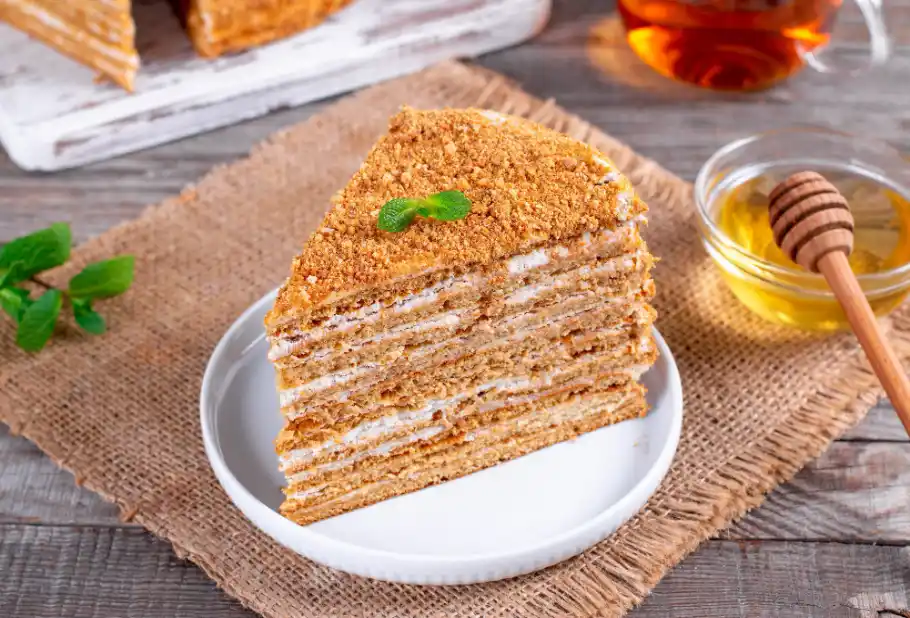
That cinnamon and slightly caramelized aroma wafting from the kitchen is, for many of us, the purest embodiment of home warmth. Why not go beyond classic cake recipes and combine the deep aroma of honey, nature’s most precious sweetener, with the batter? For those tired of classic recipes and wanting to add a gourmet touch to their tea time, this special honey cake recipe, with its rich aroma, is a strong contender to become one of your favorites.
Honey Cake Recipe
The secret to a perfect cake lies in the balance between the ingredients. Honey, by its nature, adds not only sweetness but also intense moisture and a characteristic aroma to the batter. This treat, which has a much silkier texture than classic cakes made with sugar, is known for its captivating aroma that fills the whole house from the moment it comes out of the oven.
What Type of Honey Should Be Used for a Honey Cake Recipe?
The type of honey you use directly affects both the color and the dominant aroma of your cake. Generally, floral honey (polyfloral honey), which doesn’t have a very strong taste and has balanced, floral notes, is the ideal choice for a honey cake recipe. Honeys that are more woody and darker in color, like pine honey, can darken the cake’s color more and make its taste a bit heavier. Honeys with a very intense and bitter aroma, like chestnut honey, can overshadow the cake’s light and appetizing profile. If you want the aroma to fully blend with the batter, using unprocessed raw honey will increase its interaction with baking soda during baking, resulting in a better rise and a richer aroma.
Ingredients Needed for Honey Cake
For a good honey cake recipe, all ingredients must be at room temperature; this is the first rule for achieving a homogeneous mixture. Here’s what you need to achieve that wonderfully soft texture:
- Eggs (3 pieces)
- Natural Honey (1 cup)
- Vegetable Oil or Melted Butter (Half a cup)
- Milk or Yogurt (1 cup)
- Flour (Approximately 2.5 – 3 cups)
- Baking Soda and Baking Powder
- Cinnamon or Ginger
Step-by-Step Honey Cake Recipe
To achieve the perfect result, you can follow this sequence:
- Beat the eggs with honey (or sugar if using) for a long time until fluffy. Be careful not to deflate the eggs due to the heavy nature of honey.
- Add the oil and milk and mix at low speed.
- Sift the flour, baking soda, baking powder, and spices into the mixture. Mix from the outside inwards with a spatula.
- Since honey caramelizes quickly, set your oven to 160-165 degrees. Bake for approximately 40-50 minutes, or until a toothpick comes out clean.
How to Make Honey Cake Cream?
If you want to take your honey cake to the next level, a light and refreshing cream topping will be the perfect balancer. Creams that best complement the intense aroma of honey are those based on labneh or cream cheese. You can achieve a smooth texture by whisking approximately 200 grams of cream cheese with half a cup of powdered sugar and one tablespoon of honey. Adding a few drops of lemon juice will soften the sweetness of the honey and provide a refreshing finish. Spread the cream over the cake after it has completely cooled.
Benefits of Honey Cake
Honey cake, when prepared with recipes that minimize or completely eliminate refined sugar, offers a much more nutritious alternative to classic pastries. The natural sugars, vitamins, and minerals in honey are incorporated into the dough, making the consumption of this dessert more meaningful.
Honey Cake and the Immune System
The main reason honey has been known as a natural antibiotic for thousands of years is its antiseptic and antibacterial components. Although the cooking process affects some of the honey’s enzymes, the minerals and phenolic compounds in the honey remain in the cake’s structure. A honey cake recipe, especially one enhanced with spices like ginger or cinnamon, becomes a snack that supports the body’s resistance, soothes the throat, and provides overall vitality during the winter months. For those who want to avoid the suppressive effect of refined sugar on the immune system, honey cake offers a body-friendly option while satisfying their sweet cravings.
Honey Cake and Energy
Honey, thanks to its glucose and fructose content, provides the body with both a fast and sustainable energy source. The sudden energy boost created by classic sugary cakes is more balanced in honey cakes. Thanks to this feature, the honey cake recipe serves as a great energy source, especially on days requiring intense mental work, before sports, or in children’s school lunchboxes. Combining the carbohydrate needs with the natural energy of honey and the protein of milk, this cake is a delicious and healthy fuel to provide the vitality needed throughout the day.
Honey Cake Varieties
Honey cake, by its very nature, is one of the recipes most open to creativity in the kitchen. The characteristic aroma of honey perfectly complements many different ingredients, from nuts and spices to chocolate and fresh fruit. The moist and dense texture that honey adds to the batter takes on a different flavor profile with each new ingredient added. These variations, prepared based on a classic honey cake recipe, can transform your tea time from ordinary to a gourmet experience. These variations, which you can enrich according to your own taste, prove once again that honey is a versatile culinary treasure.
Chocolate Honey Cake
The combination of chocolate and honey is one of the most noble and intense encounters in the world of desserts. This version, usually prepared with cocoa or dark chocolate, balances the unique, dominant taste of cocoa with the floral notes of honey. Honey eliminates the problem of dryness, which is the biggest problem with chocolate cakes; thanks to the moisture-retaining properties of honey, your cake will be soft and moist like a brownie.
Fruity Honey Cake
The natural acidity of fruits is the best way to refresh the intense sweetness of honey. Especially fruits such as apples, pears, quinces, or plums, when baked with honey cake batter, lightly caramelize, creating fruit candies inside the cake. When making a fruity honey cake recipe, you can arrange the fruits in thin slices on top of the cake or dice them and mix them into the batter.
The apple and cinnamon duo, one of the best companions for honey, creates a complete autumn flavor when combined with honey cake. Additionally, tart fruits like cherries or raspberries balance the taste of honey, resulting in a lighter and more refreshing drink. The juices released by the fruits, combined with the rich texture of the honey, keep the cake extra moist; this allows you to experience the aroma of fresh fruit and pure honey in every slice.
Tips for Making Honey Cake
The most common mistake when making honey cake is equating the behavior of sugar during baking with that of honey. Honey begins to brown and caramelize at much lower temperatures than sugar. Therefore, when following a perfect honey cake recipe, the oven temperature should be kept 10-15 degrees lower than for classic cakes (usually 160-165 degrees); otherwise, the outside of the cake may quickly brown while the inside remains raw. Another important point is the chemical balance of the ingredients. Honey is acidic; therefore, in order for the batter to rise beautifully and fully reflect its characteristic amber color, it is necessary to add a teaspoon of baking soda in addition to the baking powder. Baking soda reacts with honey, making the texture more porous and soft. Also, after adding the flour, mixing the batter only briefly until it becomes homogeneous prevents the cake from becoming heavy and helps maintain that fluffy texture. To ensure the honey cake fully releases its flavor, it’s crucial that the ingredients are at room temperature and that the oven door is not opened for the first 30 minutes.
How to Serve Honey Cake?
The presentation of this special treat you’ve prepared should be elegant enough to highlight its natural flavors and the effort you put into it. When serving a successful honey cake, you can use the following methods:
- Once your cake comes out of the oven and has cooled slightly (while it’s still warm), drizzle a thin layer of strained honey over it using a brush. This will give it an appetizing shine and keep the crust soft.
- To balance the rich and characteristic taste of honey, you can serve it with a spoonful of cold buffalo cream, a light yogurt-based whipping cream, or vanilla ice cream. This contrast refreshes the flavor balance on the palate with every bite.
- Sprinkling slivered almonds, chopped walnuts, or lightly roasted sesame seeds on top of the cake will add a crisp contrast to the soft texture of the honey. For an elegant presentation, you can sprinkle some powdered sugar on top or place a piece of real honeycomb honey to emphasize its naturalness.
- Ballı kek genellikle pişirildiği gün değil, bir gece dinlendirildikten sonra en ideal tadına ulaşır. Balın nem tutucu özelliği sayesinde bir gün bekleyen kekin aroması hamurla tamamen bütünleşir ve dokusu çok daha ipeksi bir hal alır. Yanında demli bir bitki çayı veya taze demlenmiş bir kahve ile servis ederek bu gurme deneyimi tamamlayabilirsiniz.
The Secret to the Perfect Honey Cake: Cahter Organic Raw Honey
Cahter Organic honey, sourced from the pristine high plateaus of Siirt and carrying the essence of over 800 plant species, adds not only sweetness but also the full aroma of a rich, flora-rich region to your cakes. Each slice prepared with our raw honey, which has undergone no heat treatment and retains its nutritional value, fills your kitchen with the purest scents of nature.
Discover the world of Cahter Organic to create a unique recipe and offer your family the most delicious natural products; let nature’s healing power take center stage at your table.
In honey cake recipes, the most important factor determining flavor and texture is the naturalness and aromatic richness of the honey used. To explore additive-free options you can safely use in your recipes, you can browse our Natural and Organic Honey page.
For those looking to expand the uses of honey in the kitchen and seeking a lighter, more practical alternative, our article titled “How to Make Honey Milk?” offers delightful suggestions on how to incorporate honey into daily consumption in a delicious and nutritious way.
Frequently Asked Questions
What is the Calorie Content of Honey Cake?
A medium-sized slice (approximately 80-100 grams) prepared with a standard honey cake recipe contains an average of 280-350 calories. If you want to reduce the calorie count, you can substitute the oil in the recipe with apple puree or opt for whole wheat flour.
How Long Does Honey Cake Take to Bake?
Honey cakes should be baked at lower temperatures, such as 160-165 degrees Celsius, to prevent the outside from burning while the inside is fully cooked. For an ideal honey cake recipe, the baking time varies between 40 and 55 minutes depending on the oven’s performance. After 35 minutes, you should definitely check the moisture of the inner texture by doing a toothpick test and avoid drying out the cake by keeping it in the oven for too long.
What Should the Honey Cake Batter Be Like?
Due to the dense and fluid nature of honey, the honey cake batter has a slightly heavier and firmer consistency than classic sponge cake batters. The batter should flow slowly and gently in a steady stream from the pan to the mold, not in a choppy stream. If the batter is too runny, the honey may settle at the bottom; if it’s too thick, the cake may harden when baked. An ideal honey cake recipe results in a smooth, shiny, and slightly sticky batter before going into the oven.
Is Honey Cake Different from Other Cake Recipes?
Because honey is used instead of sugar in honey cake, the oven temperature should be kept 10-15 degrees lower than normal because honey burns much faster than sugar. Also, baking soda is always used in the recipe to balance the acidic nature of the honey and achieve that famous amber color. The resulting texture is much more moist, aromatic, and stays fresh longer than classic cakes.