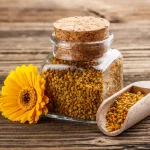
Perga is a highly nutritious bee product formed when bees naturally ferment pollen. Rich in protein, vitamins, and minerals, it supports digestion, strengthens the immune system, and provides energy. Thanks to its many benefits, bee bread (perga) stands out as a natural superfood that promotes overall health.
Among bee products, bee bread is one of the least known yet most valuable. Carefully prepared by bees for their own nourishment, this product has also become a powerful dietary supplement for humans. In this guide, you’ll find comprehensive answers to questions such as how bee bread is made, how perga is produced and harvested, and how to consume bee bread.
How Is Bee Bread Made?
The answer to how bee bread is made lies entirely in the perfect collaboration between nature and bees. The process begins when bees collect pollen and carry it to the hive. The pollen, gathered from plants and packed into pollen baskets on their legs, is transported back to the hive. Worker bees inside the hive collect this pollen and tightly pack it into brood comb cells. The pollen grains are crushed, mixed with bee salivary secretions, and covered with a thin layer of honey. This honey coating prevents the pollen from spoiling (Gilliam, 1979).
This natural transformation continues with fermentation. The digestive secretions of bees contain beneficial microorganisms that are key to this process. Specifically, lactic acid bacteria (LAB) and yeasts initiate the fermentation process (Özkök et al., 2022). Over approximately two weeks, the chemical structure of the pollen changes.
The fermented product is known as bee bread or perga. For those wondering what is perga and what are its benefits, this process gives the product probiotic properties, making it easier to digest and more nutritious. Fermentation enhances the health benefits of bee bread, giving it its unique flavor and aroma.
How Is Perga Produced?
Bees produce perga specifically to feed larvae and meet the protein needs of the hive. During production, bees use honey and enzymes to trigger a natural fermentation process inside the comb cells. As they deposit pollen, they add honey and various enzymes, creating an ideal environment for transformation. Through lactic acid fermentation, the complex compounds in pollen are broken down into simpler and more digestible forms.
Bee bread is a mixture of pollen, honey, and lactic acid bacteria—formed naturally through LAB fermentation of pollen collected by bees (Ćirić et al., 2022). This process serves as a vital part of food storage for the winter and plays a crucial role in the survival of the colony.
How Is Perga Harvested?
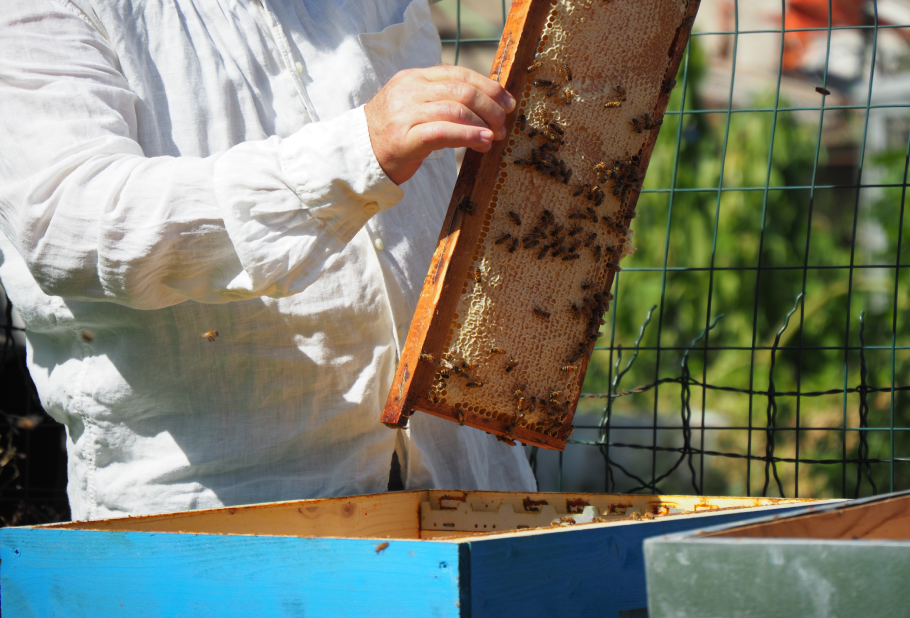
The question of how perga is harvested brings us to the extraction process from hives. The honeycombs must be carefully cut or special tools used to remove the perga. The difficulty of this process is one of the main reasons why bee bread is such a rare and valuable product.
Unlike pollen collected with pollen traps, perga is an integral part of the hive and serves as a vital food source for bees. Therefore, harvesting it without disrupting the natural life cycle of the colony requires great care and balance.
How to Consume Bee Bread?
When it comes to how to eat bee bread, the goal is to maximize its nutritional value. It can be consumed directly by chewing, or added to milk, yogurt, or fruit juice. Because it’s fermented, bee bread is easier to digest than raw pollen, making it ideal for mixing into various foods.
How to Purchase Bee Bread?
If you’re wondering how to buy bee bread and what to look for:
-
Trusted Source: Always purchase from reputable brands or directly from beekeepers.
-
Organic Certification: Prefer organically certified products, which indicate the absence of chemical additives and ensure purity.
-
Transparent Production: Choose producers who openly share their production processes to ensure product authenticity and safety.
Cahter Organik’s Perga Production Process
Cahter Organik combines the miracles of nature with the exceptional work of bees. Worker bees collect pollen from Siirt’s endemic plant species and carefully pack it into honeycomb cells. There, the pollen naturally ferments with honey and enzymes. During this process, lactic acid bacteria transform the pollen into a more digestible, probiotic, and nutrient-rich form.
A Natural Source from Siirt’s Endemic Flora
Cahter Organik’s perga is crafted from the diverse flora of Siirt, known for its unique and rich plant varieties. This botanical diversity enhances the aroma, nutritional value, and health-promoting properties of the product. Each granule is not just a food—it’s a natural powerhouse of vitality.
Transparent and Sustainable Beekeeping Practices
Cahter Organik adheres to sustainable and ethical beekeeping principles throughout its production process. Harvesting and production are carried out with respect for the bees’ natural cycles, ensuring purity and quality. With organic certification and transparent production, consumers receive a trustworthy, nutritious, and natural product.
With Cahter Organik, feel the energy of nature in every bite.
If you would like to learn more about perga and bee bread, you can take a look at our guide “What Is Perga? Everything You Need to Know About Bee Bread.”
You can also visit our product page to explore Cahter Organik’s perga products, sourced from the endemic flora of Siirt.