Propolis is a natural bee product created by bees by blending the resins they collect from the buds, bark, and leaf surfaces of plants with beeswax and their own enzymes. Forming a protective layer on the inner walls of the hive, this substance protects the bee colony from microorganisms and contains powerful biological compounds beneficial to humans. So what is propolis and what natural components does it consist of?
What Are the Natural Contents and Components of Propolis?
Propolis is a natural bee product produced by bees by mixing the resins they collect from plant surfaces with beeswax and enzymes. This substance, which protects the hive from microorganisms, is also a rich source of biological compounds for humans.
In general, approximately 50% of propolis consists of plant resins, 30% beeswax, 10% essential oils, and the remainder includes pollen, organic compounds, vitamins, and minerals. This structure forms the basis of the antimicrobial and antioxidant properties of propolis.
Its most important components include flavonoids (chrysin, galangin, quercetin) and phenolic acids (caffeic and ferulic acid). These substances protect cells against free radicals and support the immune system. It also contains terpenoids, sugars, fatty acids, and trace minerals.
How Is Propolis Produced? The Natural Miracle of Bees
Bees produce propolis by mixing the resins they collect from the buds, bark, and leaf surfaces of plants with their own secretions. They carry out this process entirely in natural ways. They knead the sticky resins they collect with their mandibles and mix them with beeswax and salivary enzymes to turn them into a durable and antibacterial substance. Thus, the answer to the question “what is propolis?” lies in this perfect collaboration between bees and nature.
Bees use the propolis they obtain to coat the inner walls of the hive, protect themselves from microorganisms, and maintain temperature balance. This natural substance keeps the hive sterile and preserves colony health. Beekeepers then carefully collect propolis from special grids on the hive after the bees complete this process.
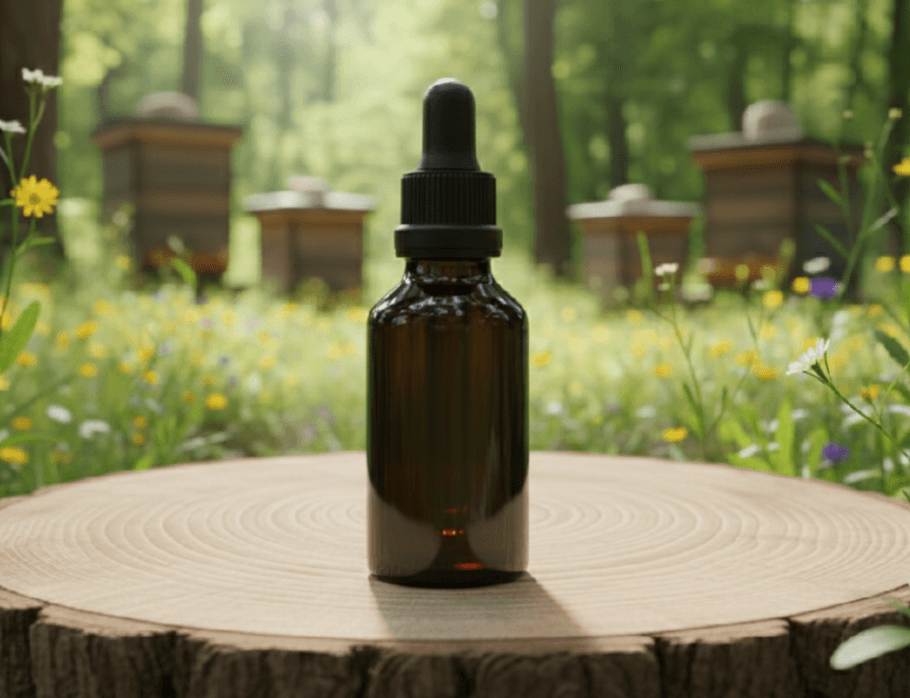
The collected propolis is then filtered and purified, making it suitable for human consumption. Pure propolis has a dense and resinous texture, so it is generally transformed into drop form using alcohol- or water-based solutions. The resulting product is the purest form of the extracts collected by bees from nature — a true miracle born from the union of nature’s chemistry and the labor of bees.
What Are the Health Benefits of Propolis?
Propolis has been known for centuries as a natural healing source. This substance obtained from plant resins by bees is a powerful natural supplement that supports the immune system thanks to its flavonoids, phenolic compounds, vitamins, and minerals. So what benefits does propolis offer?
One of its best-known effects is strengthening the immune system. Propolis creates a natural protective shield by defending the body against bacteria, viruses, and fungi. With regular use, it can increase resistance to colds, flu, and throat infections.
Another important benefit is its antioxidant effect. The flavonoids in propolis neutralize free radicals and protect cells from oxidative stress. In this way, it slows down premature aging, supports cell regeneration, and increases overall energy levels.
Known for its antibacterial and antifungal properties, propolis is also frequently used for oral and dental health. It may help reduce gum inflammation, accelerate the healing of mouth sores, and support oral hygiene naturally. It has also been found to have positive effects on stomach and intestinal health and may help regulate the digestive system.
Some studies have revealed the skin-renewing effects of propolis. It may accelerate the healing process of wounds, burns, or acne-related skin problems. Because of these features, it is frequently used in cosmetic and dermatological products.
How Is Propolis Used in Daily Life?
Propolis can be easily used in daily life thanks to its natural content. The most common form of use is in drops; a few drops can be added to a glass of water, honey, or warm milk in the morning. It can also be mixed with honey, yogurt, or herbal teas to support immunity.
For oral health, it can be diluted with water and used as a gargle. On the skin, it can be used in cream or spray form to accelerate the healing process of minor wounds, acne, and irritations.
Does Propolis Have Side Effects? Who Should or Should Not Use It?
Although propolis is a natural bee product, it is not completely risk-free for everyone. The resins, beeswax, and plant-based compounds it contains may cause allergic reactions in some individuals. People who are sensitive to bee products, honey, or pollen should be cautious or consult their doctor before using propolis.
Some individuals may experience mild side effects such as mouth irritation, itching, or redness on the skin. Excessive use may cause stomach discomfort or unwanted digestive effects. Therefore, it is important to use propolis in the recommended amount and obtain it from reliable sources.
Pregnant and breastfeeding women, young children, and individuals with a history of allergies should consult a specialist before using propolis. People who take regular medication for chronic illnesses should also use propolis under medical supervision to avoid potential interactions.
How Should Propolis Be Stored and How Is Quality Control Performed?
Propolis is sensitive to light, heat, and moisture; therefore, it should be stored in a cool, dry, and dark place, preferably in a glass bottle. Storing it in the refrigerator is not recommended due to humidity; room temperature is the ideal condition.
Quality control is the most important stage that determines the product’s naturalness and effectiveness. Real propolis may leave residue when dissolved and has a characteristic resin scent. A high-quality product is tested in a laboratory environment with flavonoid and phenolic compound analysis; these analyses indicate the purity and biological activity of propolis.
What Should Be Considered When Buying Propolis?
When purchasing propolis, attention should first be paid to the product’s naturalness and origin. It should not contain additives, colorants, or artificial flavors. The packaging should clearly display the manufacturer’s information, ingredient details, and analysis certificates. Real propolis has a strong resin smell and a slightly bitter taste; products that are completely transparent or odorless are often not pure. Additionally, locally produced propolis extracted using cold extraction and presented in glass bottles is a sign of quality.
Acting with natural production principles, Cahter Organik brings the purest form of propolis obtained from the natural flora of Siirt’s highlands to your table. Produced without additives, certified, and extracted using the cold method, Cahter Organik propolis brings nature’s protection into your daily life. To support your health and experience real propolis, you can choose Cahter Organik products.
Frequently Asked Questions
Is it safe to use propolis during pregnancy?
Since there is not enough scientific data on the safety of propolis during pregnancy and breastfeeding, it is essential to consult a doctor before using it during these periods.
In which conditions is propolis used as a supportive product?
Propolis can be used as a supportive product for colds, flu, throat infections, gum inflammation, and skin wounds. However, it should be considered a complementary natural product that strengthens immunity, not a treatment.
What should be considered in propolis products?
Ingredient transparency, analysis certificates, and the use of the cold extraction method are important. It should also be obtained from a reliable brand, in glass bottles, and without additives.
Which conditions can propolis help with?
It may provide support for weakened immunity, upper respiratory infections, mouth sores, and skin irritations. With its antioxidant and antibacterial effects, it strengthens the body’s natural defense.
What are the effects of propolis on the immune system?
Propolis increases the activity of immune cells thanks to its flavonoid and phenolic compounds. It protects the body against microbes, increases resistance to infections, and supports cell regeneration. Therefore, regular and controlled use contributes to overall immune balance.
To discover the valuable role of bee products in nature more deeply, you can move on to our next article, “What Is Perga?” Don’t forget to visit our product page to explore Cahter Organik’s carefully selected honey and bee products.