


The Story of Honey
At breakfast, when we crave something sweet, or when we feel a little under the weather, one of the first foods that comes to mind is honey. We know its name, its taste, and roughly how it’s made—but do we know its story?
Honey’s journey through human history goes back thousands of years, from cave paintings to ancient texts. A 15,000-year-old cave painting found in Cueva de la Araña in Spain provides one of the earliest pieces of evidence that humans once hunted for honey. In Ancient Egypt, honey residues dating back to around 2600 BC have been discovered, and it is known that honey was used both as a sweetener and as medicine. In those times, beekeeping was practiced using primitive hives, and honey hunting was a dangerous activity, often involving collecting honey from natural hives in cliffs or hollow trees. Over time, beekeeping evolved—people began to use hives made from clay and straw.
The Deep Roots of Honey in Turkey
Anatolia is regarded as one of the birthplaces of beekeeping and honey production. The history of beekeeping in Turkey dates back to 8000–7000 BC. Texts from the Hittite civilization include detailed laws and penalties related to beekeeping, revealing how important this activity was both economically and culturally. During the Seljuk and Ottoman periods, honey remained an essential part of both culinary traditions and traditional medicine.
Today, Turkey continues this legacy by combining modern beekeeping methods with ancient traditions. In rural areas, traditional beekeeping methods handed down from generation to generation have become symbols of a lifestyle in harmony with nature.
Thanks to its geographic diversity and rich flora, Turkey is one of the world’s leading honey producers. Regions such as the high plateaus of Siirt are home to a wide variety of endemic plants, giving local honey its unique aroma, color, and composition. At Cahter Organik, we honor this cultural heritage by preserving Siirt’s natural richness and bringing this exceptional honey to your table.
A Sacred Food
Honey is often mentioned in sacred texts as a symbol of abundance and healing. In the Qur’an, honey is described as a source of healing, while in the Bible, it is portrayed as a sacred food. Across many cultures, honey has been associated with long life, health, and prosperity.
How Is Honey Made?
The answer to “What is honey?” lies in the extraordinary collaboration between bees and nature. To produce honey, bees collect nectar from flowers and plants. Inside the bee’s stomach, enzymes such as invertase and diastase break down the nectar into glucose and fructose. The bees then return to the hive and deposit this nectar into the honeycomb. By fanning their wings, they create airflow that evaporates the moisture from the nectar, transforming it into thick honey. Once the moisture level drops below 18–20%, the bees seal the comb with wax to preserve it.
- Honey varieties differ based on production methods.
- Extracted honey is separated from the comb using centrifugal machines.
- Comb honey is served together with its honeycomb.
- Natural honeycomb is produced when bees build their own natural combs without the use of wax foundations, resulting in a purer, more natural product.
Unlike industrial honey production, which often involves heating and additives, natural honey is processed using cold extraction methods to preserve its enzymes and vitamins. Exposing honey to high temperatures can destroy many of its beneficial compounds.
Health Benefits of Honey
Honey is not only a delicious food—it has been used for thousands of years as a natural healing remedy. Its benefits stem from its rich nutritional profile: honey contains natural sugars like glucose and fructose, as well as vitamins (A, B, C), minerals (iron, magnesium, zinc), enzymes, and amino acids.
One of honey’s most remarkable properties is its antibacterial and antioxidant activity. Due to its low pH and high sugar content, honey prevents bacterial growth. Its polyphenols make it a powerful natural antioxidant. Traditionally, honey has been used to treat wounds, sore throats, and coughs—a fact that modern research continues to support. Additionally, natural honey is an excellent energy source and is often used by athletes as a natural performance booster.
Types of Honey
Honey varieties differ according to the plants from which bees collect nectar:
- Flower Honey: Produced from nectar collected from various flowers. Also called polyfloral honey, its taste, color, and aroma vary depending on regional flora.
- Natural Honeycomb: One of the purest types, made when bees build combs naturally without wax foundations.
- Creamed Honey: A crystallized, spreadable form of honey with a smooth, creamy texture.
- Milk Thistle Honey: Derived from the nectar of the milk thistle plant, known for its distinct aroma, mildly bitter taste, and digestive benefits.
- Atragalus-Thyme Honey: Made from keven and thyme flowers, offering a strong herbal aroma and energy-boosting properties.
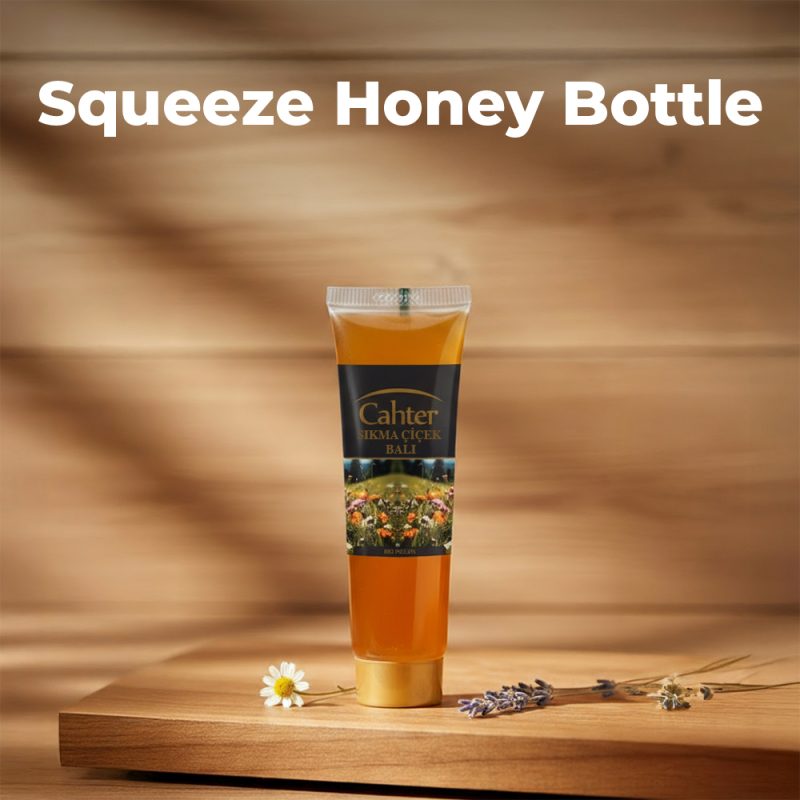
- Squeeze Bottle Honey: Conveniently packaged for drip-free serving—ideal for breakfast or beverages.
- Multifloral Honey: Collected from multiple plant species, this honey reflects the rich biodiversity of each region’s flora.
How to Identify Real Honey?
Questions like “How can I tell if honey is real?” are common among consumers. Unfortunately, visual or taste-based tests alone cannot confirm authenticity. The texture, scent, and color of honey vary depending on its floral source and production method. Natural honey typically feels smooth on the throat and leaves a mild pollen aftertaste. However, adulterated honey mixed with sugar syrup can mimic these qualities.
The most reliable verification method is laboratory testing, where parameters like proline content, diastase number, and HMF value are measured:
- Proline is an amino acid naturally produced by bees; its presence indicates authenticity.
- Diastase is an enzyme that decreases when honey is heated—so higher values indicate unheated, natural honey.
- HMF (Hydroxymethylfurfural) value indicates whether the honey has been exposed to heat and reflects its freshness.
Does Real Honey Crystallize?
Yes, real honey crystallizes! The crystallization (or granulation) process occurs naturally as the glucose in honey forms crystals. This is not a sign of poor quality but rather proof of purity. The rate of crystallization depends on the glucose-to-fructose ratio, pollen content, and temperature. Honeys high in fructose crystallize more slowly, while those rich in glucose crystallize faster.
Which Honey is the Best?
While “the best honey” can vary by personal taste, certain objective quality criteria can help guide your choice:
- Quality Factors: The floral diversity, altitude, and region of production all influence honey’s aroma and nutrient content. Honeys from high-altitude regions with rich flora tend to have deeper flavors.
- Laboratory Values: The best honey has low HMF levels and high proline and diastase values—indicators of purity and quality.
- Organic Standards: Certified organic honey is produced without chemical pesticides or artificial feeding. These standards guarantee a natural, chemical-free product.
What to Consider When Buying Honey
Making an informed choice is essential for both your health and taste:
- Label Information: Always check the label for production location, producer details, analysis certificates, and organic certification.
- Organic Certification: Verify that the product carries an officially approved organic logo.
- Packaging: Honey stored in glass jars better preserves its natural aroma and purity.
- Price: Genuine honey reflects the cost of beekeeping, natural production, and quality packaging—extremely cheap honey may contain additives or be counterfeit.
- Reliable Sources: Buy honey directly from producers or from trusted brands with transparent production processes. Brands like Cahter Organik earn consumer trust through transparency and verified quality, ensuring that every jar of honey is authentic and safe.
The Symbol of Pure Flavor
Honey is not just a sweetener—it is nature’s gift of healing and a living piece of cultural heritage. Real, natural honey is the result of the perfect partnership between bees and nature. Understanding honey’s quality and making the right choice are among the most important steps toward a healthier lifestyle.
With our expertise and commitment to excellence, Cahter Organik offers you organic honey varieties sourced from the pristine flora of Siirt’s highlands. We are dedicated to preserving purity and authenticity at every stage of production. All our products are tested according to international standards and certified organic.
The answer to “How can you tell if honey is real?” lies in transparency and trustworthy production. For us, every jar of honey represents respect for both nature and bees. Discover the answer to “Which honey is the best?” for you and your family at Cahter Organik. Explore our products and open the door to the pure taste and natural wellness that only real honey can offer. Experience the passion for honey — together with us.